In 2026, cryptocurrency wallets remain the cornerstone of digital asset management. As crypto adoption continues to climb, these tools enable users to store, send, and receive tokens securely.

How Cryptocurrency Wallets Work: Software vs. Hardware Wallets Compared (2026 Edition)
Short answer: a crypto wallet doesn’t actually hold your coins — it manages the private keys that prove you own assets recorded on the blockchain. Software wallets (hot) prioritize convenience for active use; hardware wallets (cold) keep those keys offline for maximum security. With over $3.4 billion stolen in hacks during 2025 alone, per Chainalysis, picking the right one — and using it correctly — matters more than most people realize.
The stakes are rising because blockchain is integrating deeper into mainstream finance. Fund managers and retail investors alike now face expanding options, from DeFi protocols to tokenized real-world assets — and a poor wallet choice can mean irreversible losses. This breaks down the essentials without the hype.
Understanding Cryptocurrency Wallets
Cryptocurrency wallets are digital tools that manage private keys — the unique codes that grant access to your assets on the blockchain. Think of them as less like a bank account and more like the key to a safety deposit box: the assets themselves live on the blockchain, and the wallet just proves you’re the one who can access them.
Hot vs. Cold Wallets
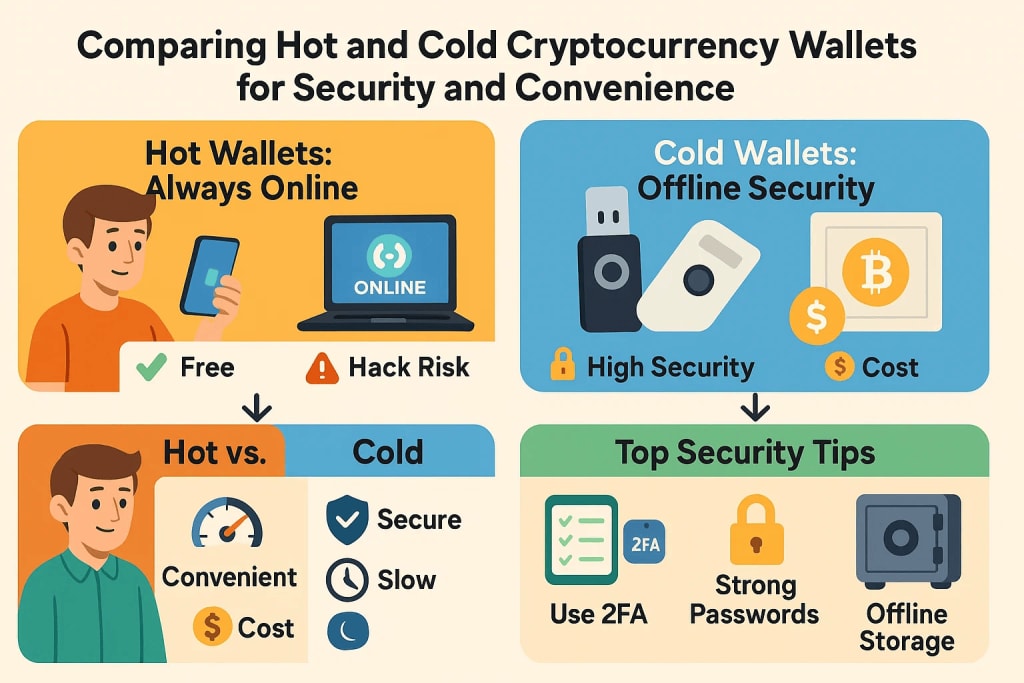
Hot wallets stay connected to the internet for quick access, which makes them well-suited for daily transactions but also exposes users to more online threats. Cold wallets stay offline entirely, which cuts hack risk significantly at the cost of some convenience.
Custodial vs. Non-Custodial Wallets
Custodial wallets, often provided by exchanges like Coinbase, hold your keys for you. That’s convenient, but it means trusting a third party with full custody. Non-custodial wallets give you complete control, which lines up with crypto’s core idea of self-sovereignty — but it also means there’s no customer support line to call if you lose access.
A simple way to think about it: a custodial wallet is like a bank vault where the bank holds the key. A non-custodial wallet is your own personal safe at home — more control, but also more responsibility.
Software Wallets Explained
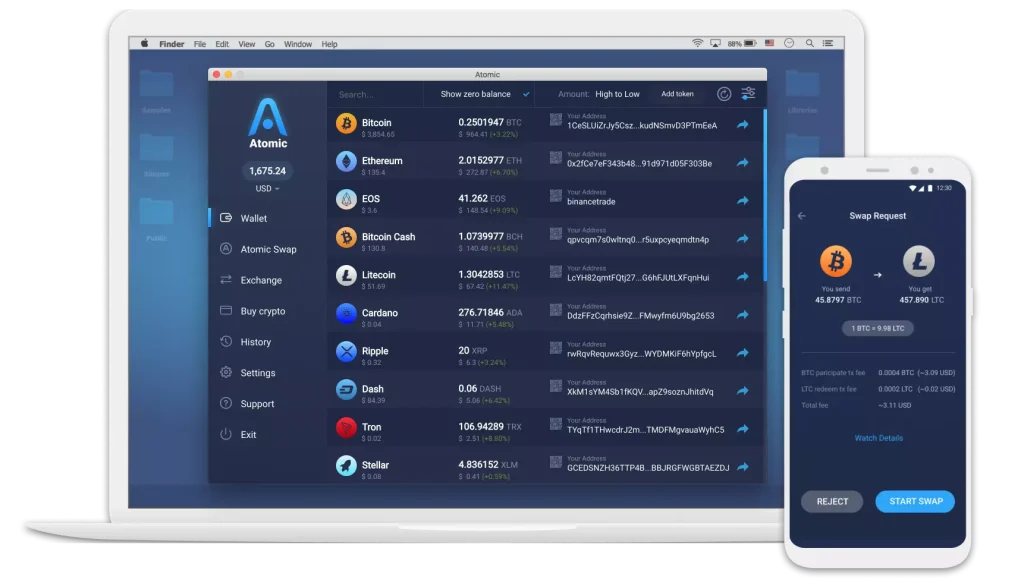
Software wallets run on devices like phones or computers. They include mobile apps (Trust Wallet), desktop apps (Exodus), and browser extensions (MetaMask). These are typically hot wallets, ideal for active trading.
Setup is fairly straightforward: download the app, generate a seed phrase (a 12-24 word backup you’ll need to keep safe), and fund it via a transfer from an exchange. The catch is that they rely entirely on your device’s own security — if malware infects your computer, your keys could be compromised right along with it.
Hardware Wallets Explained
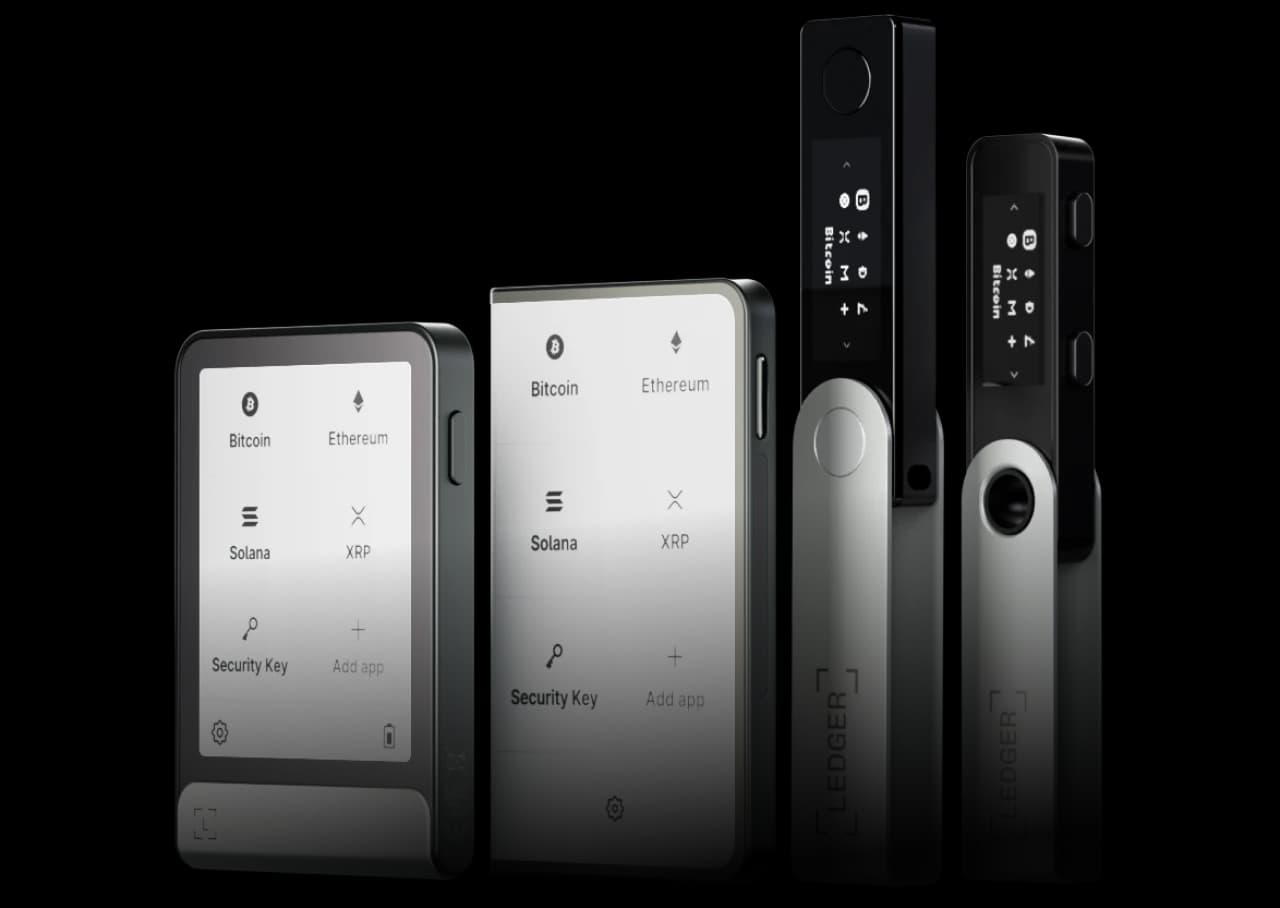
Hardware wallets are physical devices — Ledger Nano and Trezor Model T are the two best-known — that store your keys entirely offline. They sign transactions without ever exposing those keys to the internet, which is the whole point.
Think of them as fortified USB drives. When you want to transact, you connect the device to a computer and it approves the action securely, without the keys themselves ever leaving the hardware. Hardware wallets excel at cold storage, which is why they’re the preferred choice for long-term holdings. Prices generally range from $50 to $200, which is a reasonable trade-off for the added protection on any meaningful holding.
Comparing Software and Hardware Wallets
Software wallets offer real convenience and, often, zero cost. They integrate smoothly with DeFi apps and enable quick swaps, but they’re more vulnerable to phishing attempts and device-level hacks.
Hardware wallets prioritize security by isolating your keys from online risk entirely. They’re less convenient for frequent, everyday use, but they’re essential once your holdings become substantial. A common hybrid approach: keep smaller, active amounts in software, and move real savings into hardware.
On accessibility, software wins for beginners — hardware demands more setup but delivers real peace of mind in exchange. Both support major assets like Bitcoin and Ethereum without issue.
Top Options Worth Considering
On the software side, MetaMask is widely used for Ethereum interactions specifically, while Exodus offers broader multi-asset support with built-in exchange functionality. For hardware, Ledger provides a touchscreen interface with solid app integrations, Trezor leans into open-source code for full transparency, and Tangem uses card-like NFC technology that eliminates batteries entirely. All of these score well on independent security audits and user reviews — but always verify compatibility with your specific assets before committing.
Setup Steps
For software: choose an app like MetaMask, install it from the official site only, create a new wallet, and write down the seed phrase securely — never store it digitally. Then fund it by copying your public address into an exchange transfer.
For hardware: unbox the device, connect it to a computer, and install the companion software. Set a PIN, generate and back up your seed phrase offline, then transfer assets in from an exchange. Do all of this on a trusted network, and test with a small transfer first before moving significant amounts.
Security Best Practices
Use strong, unique passwords, and enable two-factor authentication through an authenticator app rather than SMS, which is more vulnerable to SIM-swap attacks. Back up seed phrases on metal plates or paper stored in multiple secure locations, and never share them with anyone under any circumstances — no legitimate support team will ever ask for one.
Lean on hardware for genuine cold storage, keep your software updated to patch known vulnerabilities, and stay alert for phishing — always double-check URLs before entering any credentials. Multisig wallets, which require multiple approvals before a transaction goes through, add a meaningful extra layer against theft for larger holdings. Monitor your addresses via a blockchain explorer periodically, and if you ever suspect a compromise, migrate to a new wallet immediately rather than waiting to see what happens.
Current Trends and Real-World Relevance
Adoption keeps booming — global crypto users exceeded 500 million in 2025, per Chainalysis, driven largely by growing institutional interest. One emerging trend is the “warm wallet,” blending hot-wallet convenience with cold-storage-grade security, and integration with mainstream fintech apps and payment systems is expanding what wallets can actually be used for day-to-day.
In the real world, wallets are enabling remittances in emerging markets that bypass traditional banks entirely, and in finance they’re facilitating tokenized bonds that appeal directly to fund managers. But hacks persist — personal wallet compromises affected roughly 80,000 victims in 2025 alone, which is a clear reminder that the technology being secure doesn’t mean every individual setup is.

Pros, Risks, and Common Misconceptions
Software wallets win on speed and accessibility; hardware wallets win on outright security. The risks differ accordingly — software faces malware and phishing, hardware faces physical loss or damage, and both remain vulnerable to plain human error, like a lost or forgotten seed phrase that locks you out permanently.
A common misconception is that wallets “hold” your crypto. They don’t — your assets live on the blockchain itself; the wallet just manages your access to them. Another myth: that all hardware wallets are hack-proof. They’re highly resistant, but supply-chain attacks have happened, which is exactly why you should only buy directly from the manufacturer, never a third-party marketplace. And custodial wallets aren’t automatically a bad choice either — they’re reasonable for small amounts, though they do carry platform-failure risk, as several past exchange collapses have shown.
Actionable Insights
Assess your own risk tolerance honestly. Beginners generally do well starting with a non-custodial software wallet, then scaling into hardware as holdings grow past what they’d be comfortable losing. Keep an eye on wallet vulnerability disclosures from sources like CoinDesk, and stay aware of regulatory changes that touch on custody requirements.
Diversify your storage rather than putting everything in one place, use a password manager for anything wallet-adjacent, and practice a recovery at least once a year so you actually know it works before you need it. Don’t rush a setup, and research thoroughly before connecting any wallet to a new DeFi protocol.
Frequently Asked Questions
Does my wallet actually store my crypto?
No. Your assets live on the blockchain itself. Your wallet stores the private keys that prove you have access to them and lets you sign transactions to move them.
Should a beginner start with a software or hardware wallet?
Most beginners start with software for its accessibility and lower cost, then move to hardware once their holdings grow large enough that the extra security is worth the added setup effort.
What happens if I lose my seed phrase?
For a non-custodial wallet, losing your seed phrase with no backup generally means permanently losing access to your funds — there’s no customer support line or password reset option. This is exactly why secure, redundant backups matter so much.
Are hardware wallets completely hack-proof?
No, though they’re highly resistant to remote attacks since keys never touch the internet. Supply-chain tampering is a real, documented risk, which is why buying directly from the manufacturer rather than a third-party reseller matters.
Conclusion
Cryptocurrency wallets keep evolving, balancing innovation against real security demands. In 2026, choosing between software and hardware really comes down to your own needs — convenience versus fortification. Good habits around backups, verification, and storage tend to matter more long-term than which specific brand you pick. As blockchain matures, self-custody keeps giving investors more genuine independence — for better and for worse.
What if the next big hack targets unprepared users — will you be ready?
Top References
- Kaspersky – Crypto Wallets Explained: Hot vs Cold Wallet vs Hardware Wallet – https://www.kaspersky.com/resource-center/definitions/hardware-vs-cold-wallets
- Codewave – How Cryptocurrency Wallets Keep Your Funds Moving in 2026 – https://codewave.com/insights/understanding-blockchain-cryptocurrency-wallets/
- Money.com – 8 Best Crypto Wallets of January 2026 – https://money.com/best-crypto-wallets/
- Komodo Platform – Choosing Between Hardware Wallet vs Software Wallet – https://komodoplatform.com/en/academy/hardware-wallet-vs-software/
- Chainalysis – 2025 Crypto Theft Reaches $3.4 Billion – https://www.chainalysis.com/blog/crypto-hacking-stolen-funds-2026/
- Hacken – Wallet Security: Best Practices for Keeping Your Crypto Safe – https://hacken.io/discover/wallet-security/
- Bitcoin.org – Securing Your Wallet – https://bitcoin.org/en/secure-your-wallet
- Charles Schwab – How to Keep a Crypto Wallet and Keys Secure – https://www.schwab.com/learn/story/how-to-keep-crypto-wallet-secure
- NerdWallet – 9 Best Crypto Wallets for 2026 – https://www.nerdwallet.com/p/best/investing/crypto-bitcoin-wallets
- Investopedia – Best Crypto Software Wallets for January 2026 – https://www.investopedia.com/the-best-crypto-software-wallets-11699325
This is not financial advice. Crypto is volatile — always do your own research and only invest what you can afford to lose.
Read More