XRP in the New Regulatory Era: How Chair Selig’s CFTC Could Fast-Track Spot Market Clarity and ETF Expansion

XRP in the New Regulatory Era: How Chair Selig’s CFTC Could Fast-Track Spot Market Clarity and ETF Expansion
Short answer: Michael Selig’s confirmation as CFTC chairman on December 18, 2025 brought fresh regulatory focus to spot crypto markets and tokenized assets. Combined with Bitnomial’s CFTC-regulated launch of leveraged XRP spot trading, this pairing signals a maturing regulatory environment that could fast-track XRP ETF approvals and broader institutional adoption.

As 2025 drew to a close, the Commodity Futures Trading Commission under newly confirmed Chairman Selig looked poised to reshape crypto oversight at a genuinely crucial moment. Investors had spent much of the year seeking stability amid ongoing volatility, and regulatory clarity carried real potential to unlock billions in institutional capital still sitting on the sidelines.
The landscape shifted rapidly through the year. The Trump administration pushed consistently for pro-crypto policy, and Selig’s confirmation brought fresh momentum specifically toward tokenized assets and spot markets. Recent approvals — like Bitnomial’s CFTC-regulated XRP trading — signaled a market that was genuinely maturing rather than simply riding speculative momentum.
Key Concepts Explained
Worth breaking down a few basics first. The CFTC regulates futures and derivatives markets specifically. Unlike the SEC, which oversees securities, the CFTC treats most cryptocurrencies as commodities instead. XRP, created by Ripple, facilitates cross-border payments — fast and low-cost, functioning essentially as a digital bridge for global transfers.
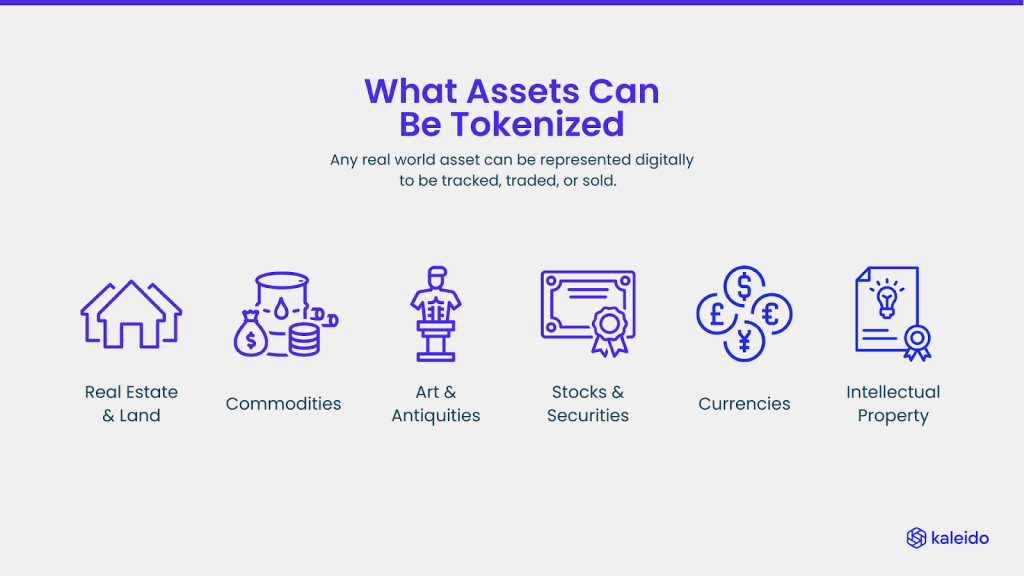
Spot markets involve buying and selling assets immediately at current prices. Futures, by contrast, let traders bet on future prices instead. Tokenized assets represent real-world items — like real estate or bonds — directly on a blockchain, similar to digitizing a stock certificate for considerably easier trading.
ETFs bundle assets together for easy investment access. A spot XRP ETF would track XRP’s price directly rather than futures contracts, offering exposure without requiring investors to actually hold the coin themselves. Regulatory clarity in this context simply means clear rules that reduce uncertainty — and under Selig, the CFTC placed real emphasis on oversight across these specific areas.
A simple way to picture it: spot trading is like buying apples at the market today. Futures are contracting for apples next month instead. Tokenization turns an entire apple orchard into shareable digital tokens that anyone can trade in fractions.
Current Trends and Real-World Relevance
Bitnomial, a CFTC-regulated exchange, launched leveraged spot crypto trading in December 2025 — including XRP — allowing spot, futures, and perpetuals to trade under one roof for the first time. Traders could now use XRP itself as collateral, a genuine first for the U.S. market, unifying margins across products in a way that meaningfully boosted trading efficiency.
Selig’s CFTC prioritized tokenized assets from early on. In December 2025, the agency launched a Digital Assets Pilot Program covering tokenized collateral in derivatives markets. This guidance allowed assets like tokenized U.S. Treasuries to serve as margin — part of what industry observers dubbed a broader “Crypto Sprint” toward pro-innovation policy.
For XRP specifically, this tied into much broader adoption trends. Ripple’s earlier 2025 SEC settlement had already provided real clarity, establishing XRP as a non-security in secondary market trading. With CFTC oversight now layered on top, spot market clarity carried real potential to fast-track ETF approvals — firms like Franklin Templeton had already filed for XRP ETFs, with launches expected soon after.
Real-world relevance showed up clearly in payments. Banks using XRP for remittances reported cost reductions of 40-70% compared to traditional channels. Tokenization extended this same logic to assets like real estate, where fractional shares could trade globally rather than requiring full-property transactions.
One genuinely data-backed signal: XRP ETFs had already attracted $897 million in cumulative inflows since launch, pointing to real and sustained institutional interest rather than fleeting speculation.
Chainlink’s Oracles and Real-World Data
Within this regulatory shift, technologies like Chainlink play a genuinely vital supporting role. Chainlink provides oracles — secure bridges that carry real-world data onto blockchains. For altcoins like XRP, this enables smart contracts capable of reacting to external events rather than operating in isolation.
Smart contracts are self-executing code, but they need reliable outside data — stock prices, interest rates, weather conditions — to function meaningfully. Chainlink’s decentralized oracle network fetches this data securely, preventing the kind of manipulation that could otherwise corrupt contract execution.
How does this connect back to XRP? Ripple’s broader ecosystem increasingly integrates oracles for more advanced DeFi applications. Tokenized assets specifically rely on accurate outside data for proper valuation, and under Selig’s CFTC, clearer regulatory rules could meaningfully boost oracle adoption within regulated markets.
Consider one concrete example: a tokenized bond issued on the XRP Ledger might use Chainlink specifically for interest rate feeds, ensuring accurate and fair payouts to holders. As spot markets gain regulatory clarity, integrations like this tend to grow more common rather than less.
For readers newer to the concept, oracles function something like trusted messengers delivering outside news into a locked room — the blockchain itself, which has no native way to see beyond its own ledger.
Pros, Risks, and Common Misconceptions
The advantages here are genuinely clear. Spot market oversight reduces fraud risk, CFTC regulation builds real institutional trust, and ETF expansion democratizes access by letting investors participate through ordinary brokerage accounts rather than crypto-native exchanges. Tokenized assets also enhance liquidity broadly — fractions of high-value items become tradable, and Bitnomial’s unified-collateral model demonstrates the efficiency gains possible when margin requirements consolidate across products.
Real risks persist alongside these advantages, though. Volatility remained a constant — XRP dropped roughly 14% year-over-year as of December 2025 despite the regulatory progress. Regulatory changes could still swing in either direction going forward; if the CFTC tightens oversight too aggressively, innovation could stall rather than accelerate. Cyber threats loom too — tokenized assets remain hackable if not properly secured, and market manipulation in spot trading remains a legitimate ongoing concern.
A common misconception holds that all cryptocurrencies are securities by default. That’s not accurate — the CFTC specifically views XRP as a commodity. Another persistent myth suggests ETFs guarantee profits; in reality, they simply track underlying prices, downsides included. A related misconception around oracles suggests they’re unnecessary technical overhead — without them, though, smart contracts remain effectively blind to real-world conditions, which sharply limits their practical utility.
Actionable Insights for Investors
Monitoring CFTC announcements closely makes sense given how much is still unfolding — Selig’s tenure began with a clear tokenized asset focus, and watching pilot program outcomes should offer useful signals about where the agency heads next.
Tracking XRP ETF filings is worthwhile too, since approvals could meaningfully move prices when they land. Investors newer to crypto may want to consider diversified exposure through funds rather than direct coin holdings, at least initially. Watching Bitnomial’s trading volumes offers another useful signal — rising XRP activity there tends to reflect broader market health.
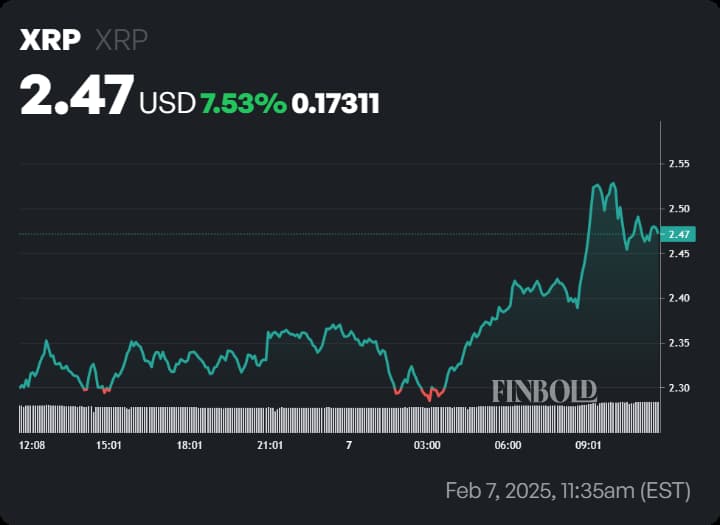
For those interested in the Chainlink angle specifically, exploring integrations with various altcoins and assessing oracle demand within DeFi more broadly can help gauge where real utility is building. Allocating only a modest portion of a broader portfolio to XRP during this period of regulatory transition remains a reasonably conservative approach — real-time chart tools can help track price action as markets digest each new development. As of late 2025, XRP’s trend looked broadly neutral, with market cap sitting around $113.60 billion.
Frequently Asked Questions
Who is Michael Selig and what does he oversee?
Michael Selig was confirmed as CFTC chairman on December 18, 2025. He oversees the Commodity Futures Trading Commission, which regulates futures, derivatives, and commodity markets — the agency that treats most cryptocurrencies, including XRP, as commodities rather than securities.
What did Bitnomial launch in December 2025?
Bitnomial, a CFTC-regulated exchange, launched leveraged spot crypto trading including XRP, letting traders access spot, futures, and perpetual contracts under one roof while using XRP itself as collateral — a first for the U.S. market.
What is a spot XRP ETF and how is it different from a futures ETF?
A spot XRP ETF tracks XRP’s actual current price directly, offering exposure without requiring investors to hold the coin themselves. A futures-based ETF instead tracks contracts betting on XRP’s future price, which can behave differently from the spot market.
What role do oracles like Chainlink play in XRP’s ecosystem?
Oracles like Chainlink feed real-world data — such as interest rates or asset prices — into blockchain smart contracts. For tokenized assets on the XRP Ledger, this data is essential for accurate valuation and fair payouts, since blockchains have no native way to access outside information.
A Long-Term Perspective
XRP’s position in this new regulatory era looks genuinely promising for stability and continued growth. Chair Selig’s CFTC could well deliver both spot market clarity and meaningful ETF expansion, building on real milestones like Bitnomial’s integrations. Tokenized assets, enabled by oracle networks like Chainlink, increasingly bridge crypto with traditional finance in ways that matter beyond speculation.
None of this represents overnight change. It’s better understood as a foundation being laid for more sustainable long-term adoption. Investors who take the time to understand this shift stand to benefit more than those chasing short-term price swings.
What if regulatory clarity eventually unlocks trillions in tokenized markets globally — will XRP end up leading that charge?
References Used for This Article
- Bitnomial – Bitnomial Gains CFTC Approval to Launch Prediction Markets – https://bitnomial.com/news/2025-12-12/prediction-markets-approval/
- Bitnomial – Digital Assets Now First-Class Margin Collateral in the U.S. – https://bitnomial.com/blog/first-class-crypto-margin/
- Bitnomial – CFTC Paves Way for Spot Crypto Trading on Registered Exchanges – https://bitnomial.com/news/2025-12-04/cftc-spot-exchange-bloomberg/
- WilmerHale – Michael Selig Confirmed as CFTC Chairman: Six Issues to Watch – https://www.wilmerhale.com/en/insights/client-alerts/20251218-michael-selig-confirmed-as-cftc-chairman—six-issues-to-watch-in-2026
- CFTC – Acting Chairman Pham Announces Launch of Digital Assets Pilot – https://www.cftc.gov/PressRoom/PressReleases/9146-25
- Morgan Lewis – US Regulatory ‘Crypto Sprint’ Continues as CFTC Overhauls Guidance – https://www.morganlewis.com/pubs/2025/12/us-regulatory-crypto-sprint-continues-as-cftc-overhauls-guidance-on-digital-assets
- AInvest – XRP’s Regulatory Clarity and Institutional Momentum – https://www.ainvest.com/news/xrp-regulatory-clarity-institutional-momentum-high-conviction-investment-thesis-2512/
- 24/7 Wall St – Will XRP Hit $5 in 2026? 5 Catalysts That Could Make It Happen – https://247wallst.com/investing/2025/12/23/will-xrp-hit-5-in-2026-5-catalysts-that-could-make-it-happen-and-3-risks-that-wont/
- MEXC – What Is XRP ETF? SEC Approval Status, Launch Date & How to Invest – https://www.mexc.com/learn/article/what-is-xrp-etf-sec-approval-status-launch-date-how-to-invest-guide/1
- TradingView – XRPUSD Ripple Price and Chart – https://www.tradingview.com/symbols/XRPUSD/
This is not financial advice. Crypto is volatile — always do your own research and only invest what you can afford to lose.
Read More