
Short answer: Cardano runs on a proof-of-stake consensus mechanism called Ouroboros instead of Bitcoin’s energy-intensive proof-of-work, letting validators secure the network by staking ADA rather than burning electricity in a mining race. As of May 2024, Cardano’s entire network consumed just 704.91 megawatt-hours annually — roughly what 60 average U.S. households use in a year — compared to Bitcoin’s more than 100 terawatt-hours, making Cardano’s model a genuine case study for what eco-friendly crypto infrastructure can look like in practice.
In an era where cryptocurrency markets fluctuate wildly and environmental concerns dominate global discussion, investors have increasingly scrutinized the ecological footprint of their digital assets. Cardano, a blockchain platform built on rigorous academic research from the outset, stands out clearly for its commitment to sustainability. As climate regulations continue tightening and energy costs rise globally, understanding models like Cardano’s can offer real guidance toward smarter, more responsible crypto investment decisions.
Understanding Cardano’s Proof-of-Stake Foundation
At its core, Cardano operates on a proof-of-stake consensus mechanism called Ouroboros, which contrasts sharply with the energy-intensive proof-of-work model used by networks like Bitcoin. In proof-of-work, miners compete to solve complex computational puzzles, which requires vast amounts of processing power and electricity — something like a lottery where participants burn real fuel just to buy more tickets. Proof-of-stake instead selects validators based on the amount of cryptocurrency they “stake” as collateral, eliminating the need for that energy-guzzling competition entirely.
Ouroboros, developed through genuinely peer-reviewed academic research, ensures network security while minimizing environmental impact considerably. It divides time into epochs and slots, randomly assigning block creation responsibilities to stakers in proportion to their holdings. This approach maintains real decentralization while scaling efficiently. Unlike proof-of-work, where constant hardware races lead to rapid obsolescence and genuine electronic waste, proof-of-stake encourages long-term holding instead, aligning individual incentives with overall network health.
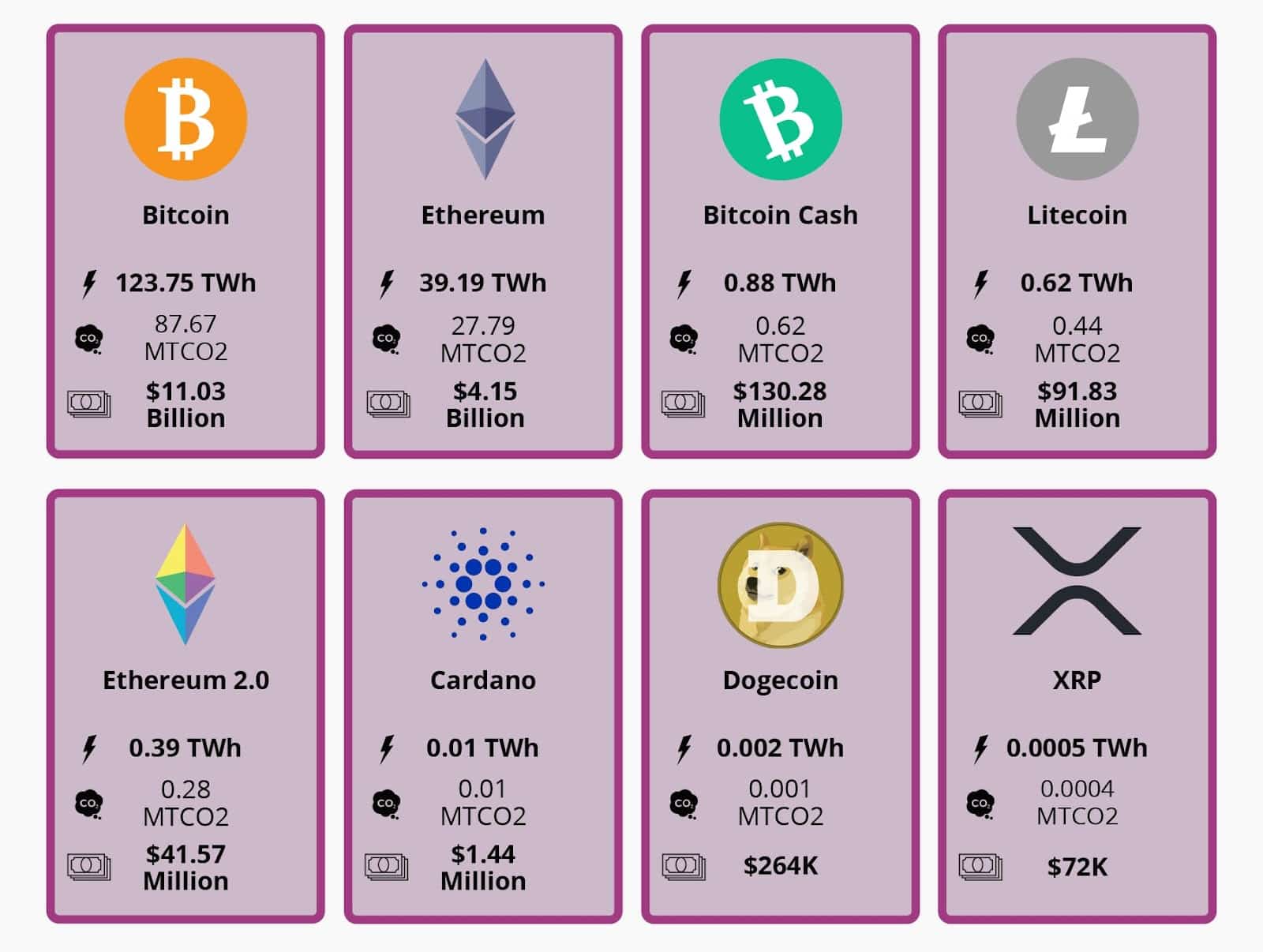
The energy figures underscore this efficiency clearly. As of May 2024, Cardano’s network consumed just 704.91 megawatt-hours annually — comparable to the electricity use of roughly 60 average U.S. households. Bitcoin’s annual energy draw, by comparison, exceeds 100 terawatt-hours, rivaling the total consumption of entire countries like the Netherlands. Based on these network activity metrics, that makes Cardano dramatically more energy-efficient per transaction than Bitcoin.
Real-World Applications: Cardano’s Impact in Africa
Cardano’s sustainability story extends well beyond theory into tangible real-world use cases, particularly across emerging markets in Africa. There, the platform has addressed genuine challenges in education, finance, and infrastructure, demonstrating blockchain’s real potential for social impact.
One flagship initiative unfolded in Ethiopia, where Cardano partnered with the government to digitize educational credentials for over 5 million students and 750,000 teachers. Using Atala PRISM, a decentralized identity solution built on Cardano, students received tamper-proof digital IDs stored directly on the blockchain. This combats fraud, streamlines verification for future employers, and empowers individuals in a region where paper records are often lost or genuinely unreliable. The project, piloted across schools nationwide, aimed to foster real economic mobility by making qualifications portable and verifiable globally.
Beyond education, Cardano collaborated with World Mobile to expand affordable internet access in underserved African regions. By leveraging solar-powered nodes alongside blockchain for transparent transactions, this partnership connected rural communities in countries like Tanzania and Zanzibar, promoting genuine digital inclusion. Another venture, Empowa, worked with the Nairobi Securities Exchange in Kenya to tokenize real-world assets like affordable housing, enabling fractional ownership and new investment opportunities for local residents.
These efforts align with broader trends across fintech, where blockchain increasingly bridges gaps left by traditional banking. In Africa specifically, where over half the population still lacks access to formal financial services, Cardano’s low-energy model makes it genuinely feasible to run network nodes on modest hardware, even in energy-scarce regions. EMURGO Africa, one of Cardano’s founding entities, continued driving adoption through strategic investment, aiming to build a decentralized ecosystem that supports local startups and sustainable development more broadly.
Pros, Risks, and Common Misconceptions
Cardano’s sustainability model offers several genuine advantages for eco-conscious investors. Its energy efficiency appeals to institutions wary of environmental backlash — Tesla’s earlier decision to pause Bitcoin payments over carbon concerns illustrates exactly the kind of scrutiny greener alternatives can sidestep. Proof-of-stake also enables faster transactions and lower fees, making it well-suited for decentralized finance applications. Real-world integrations, like those across Africa, help build genuine intrinsic value too, potentially offering some stability to ADA against pure speculative volatility.
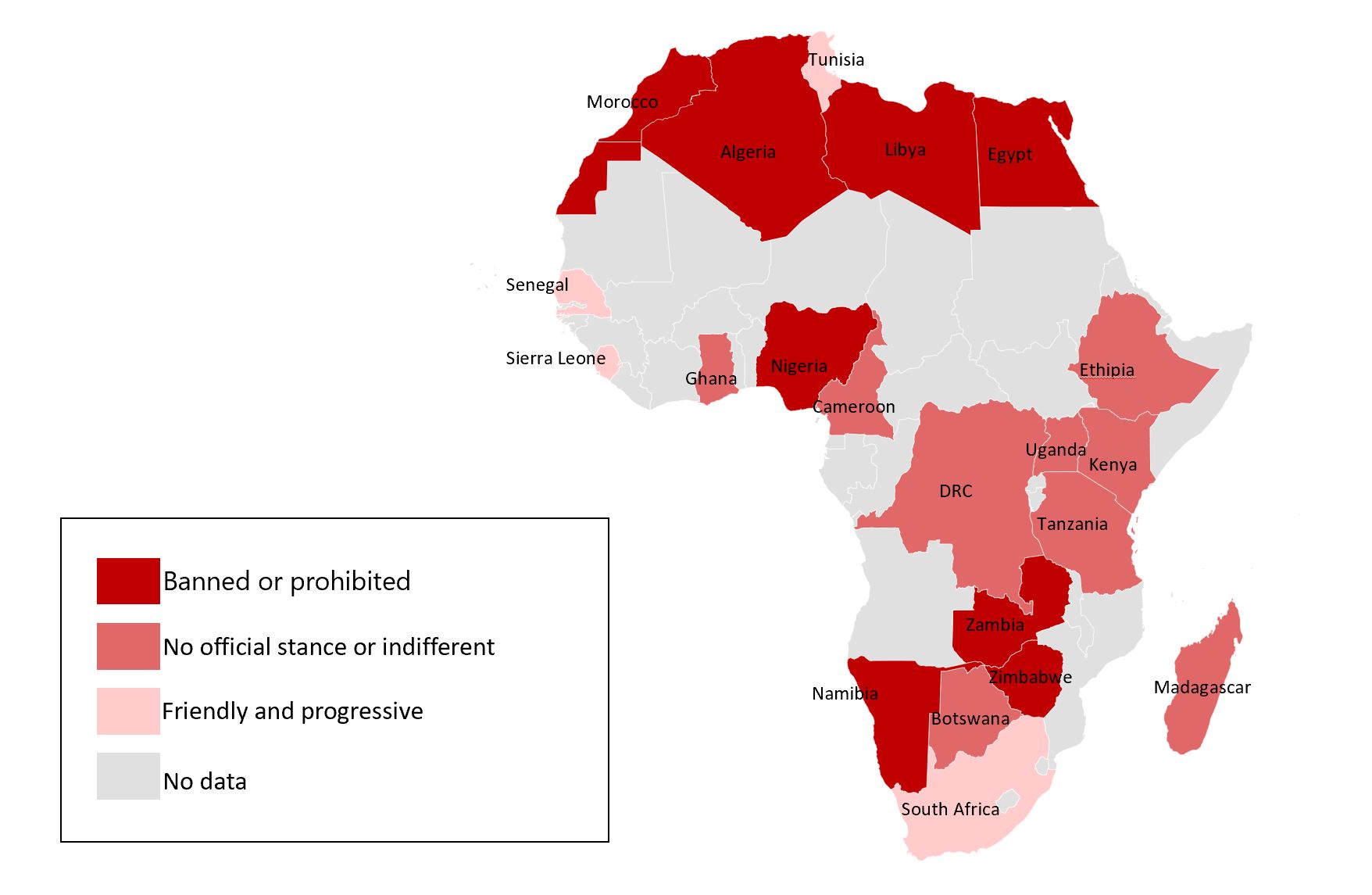
Real risks exist alongside these advantages, though. Proof-of-stake can lead to centralization if wealth concentrates among a small number of large stakers, though Cardano works to mitigate this through delegation pools and governance incentives that encourage broader participation. Network upgrades, like the Chang hard fork, introduce temporary uncertainty during rollout, and adoption across Africa faces real hurdles too — regulatory shifts and infrastructure limitations both remain genuine obstacles.
A couple of misconceptions are worth addressing directly. Some view proof-of-stake as inherently less secure than proof-of-work — but Ouroboros’s provable security model rivals Bitcoin’s own, backed by genuine academic proofs rather than assumption. Another persistent myth suggests sustainability necessarily compromises performance. In reality, Cardano has handled thousands of transactions per second in testing, outpacing many proof-of-work chains on that specific metric. For useful context, Ethereum’s own shift to proof-of-stake in 2022 slashed its energy use by roughly 99%, inspiring similar moves across the broader industry — Cardano’s approach, notably, was sustainable from inception, avoiding the transitional pains other networks had to work through.
Actionable Insights for Investors
For those specifically eyeing eco-friendly crypto, starting by evaluating a project’s underlying consensus mechanism makes sense — generally favoring proof-of-stake over proof-of-work for meaningfully lower environmental impact. Monitoring Cardano’s governance through Project Catalyst, where ADA holders vote directly on funding proposals, offers insight into how community-driven the network’s sustainability efforts genuinely are. Watching adoption metrics across Africa is worthwhile too — successful rollouts there could signal broader global uptake down the line, not unlike how mobile money fundamentally reshaped fintech in Kenya over the past decade.
Diversifying by exploring related assets, including tokens from Cardano-based DeFi platforms, can round out exposure to this ecosystem — though prioritizing genuine research into energy audits and real-world partnerships matters more than chasing hype. Tools like the Crypto Carbon Ratings Institute provide transparent, comparable footprint data worth reviewing before committing capital. Considering ADA staking specifically offers a way to earn passive rewards while directly contributing to network security, all with minimal additional energy cost.
Frequently Asked Questions
What is Cardano’s Ouroboros protocol?
Ouroboros is Cardano’s peer-reviewed, academically developed proof-of-stake consensus protocol. It divides time into epochs and slots, randomly assigning block creation to validators in proportion to their staked ADA, securing the network without the energy costs of proof-of-work mining.
How much energy does Cardano’s network use?
As of May 2024, Cardano’s network consumed just 704.91 megawatt-hours annually — roughly equivalent to the electricity use of 60 average U.S. households — compared to Bitcoin’s more than 100 terawatt-hours per year.
Is proof-of-stake less secure than proof-of-work?
No, this is a common misconception. Cardano’s Ouroboros protocol has a provable security model backed by academic research that rivals proof-of-work security, without requiring the massive energy expenditure that proof-of-work demands.
What is Atala PRISM?
Atala PRISM is a decentralized identity solution built on Cardano, used in Ethiopia to issue tamper-proof digital credentials to millions of students and teachers, combating fraud and making qualifications portable and verifiable globally.
A Sustainable Crypto Future
Cardano’s model is a genuine reminder that blockchain infrastructure can drive real progress without significant planetary harm. By prioritizing academic research, energy efficiency, and real-world utility, it sets a meaningful benchmark for the broader industry to work toward. As crypto continues maturing, sustainable platforms like this one may well outlast energy-hungry alternatives, rewarding patient investors with more resilient long-term value.
What if the next major bull market genuinely favors green tech — will your portfolio be positioned for it?
References Used for This Article
- Cardano Foundation – Official Site – https://cardano.org/
- Crypto Carbon Ratings Institute – Cardano Network Assessment 2024 – https://carbon-ratings.com/dl/network-assessment-cardano-2024
- IOHK – Ouroboros: A Provably Secure Proof-of-Stake Blockchain Protocol – https://iohk.io/en/research/library/papers/ouroboros-a-provably-secure-proof-of-stake-blockchain-protocol/
- EMURGO – Cardano Strategy in Africa – https://www.emurgo.io/press-news/cardano-strategy-africa/
- AACRAO – Ethiopia Overhauls Its Education System with IOHK Blockchain Partnership – https://www.aacrao.org/edge/emergent-news/ethiopia-overhauls-its-education-system-with-iohk-blockchain-partnership
This is not financial advice. Crypto is volatile — always do your own research and only invest what you can afford to lose.