Short answer: Meme coins started as internet jokes — Dogecoin launched in 2013 riffing on a Shiba Inu meme — but by 2025 the category had grown into a genuine multi-billion-dollar corner of crypto, even as most tokens still carried no real utility and lived or died on community hype. The sector’s combined market cap peaked near $150.6 billion in late 2024, dropped as low as $38 billion by mid-2025, and sat around $44 billion afterward, with Dogecoin holding the top spot near $22 billion despite falling roughly 60% over the year.

Why does a category built on internet jokes still matter for anyone paying attention to crypto markets? Markets shifted fast through 2025, volatility spiked repeatedly, and investors increasingly sought some clarity on where meme coins actually fit into a broader portfolio. Trends throughout the year pointed toward real evolution for a handful of these tokens, even as most stayed exactly what they started as.
What Are Meme Coins?
Meme coins are cryptocurrencies that draw their identity from internet memes and culture rather than any underlying technical use case. Most carried no real utility at launch — community sentiment alone drove their value, at least initially. Dogecoin began purely as a joke, created by Billy Markus and Jackson Palmer specifically to mock Bitcoin’s growing seriousness. Shiba Inu followed a few years later, openly branding itself the “Dogecoin killer.” Others, like Pepe, emerged from the same playbook — relying heavily on social media momentum and hype cycles rather than fundamentals.
Prices in this category swing wildly, and unlike Bitcoin, many meme coins don’t have a fixed supply — ongoing inflation can dilute value considerably over time if a project mints new tokens without restraint. Thinking of them as something like viral stocks captures the dynamic reasonably well: buzz can fade just as quickly as it builds, and the tokens that outlast their initial hype cycle are genuinely the exception rather than the rule.
Current Trends in Meme Coins
The meme coin category grew considerably more diverse through 2025 as its broader ecosystem expanded. Dogecoin held onto the top spot with a market cap near $22 billion, followed by Shiba Inu above $5 billion and Pepe around $2 billion. Newer entrants like Floki and Bonk gained real traction too, with Solana hosting a large share of this new activity — platforms like Pump.fun made launching new tokens fast and accessible, which fueled a steady stream of new entrants throughout the year.
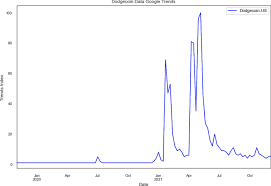
Some of these trends pointed toward genuine utility additions rather than pure speculation — certain projects built games around their token, while others tied themselves to NFT ecosystems, adding at least some real-world use beyond simple trading. Politics played a role too, with a Trump-branded coin surging notably around the 2024 election cycle before cooling considerably. Corrections hit the broader category hard regardless of these individual bright spots — the sector’s combined market cap peaked at $150.6 billion in late 2024, fell to roughly $38 billion by mid-2025, and settled closer to $44 billion afterward. Volatility remained the category’s defining feature throughout, with Dogecoin itself down roughly 60% over the year even as a handful of newer, niche-focused tokens like the AI-themed FARTCOIN managed to outperform the broader trend.
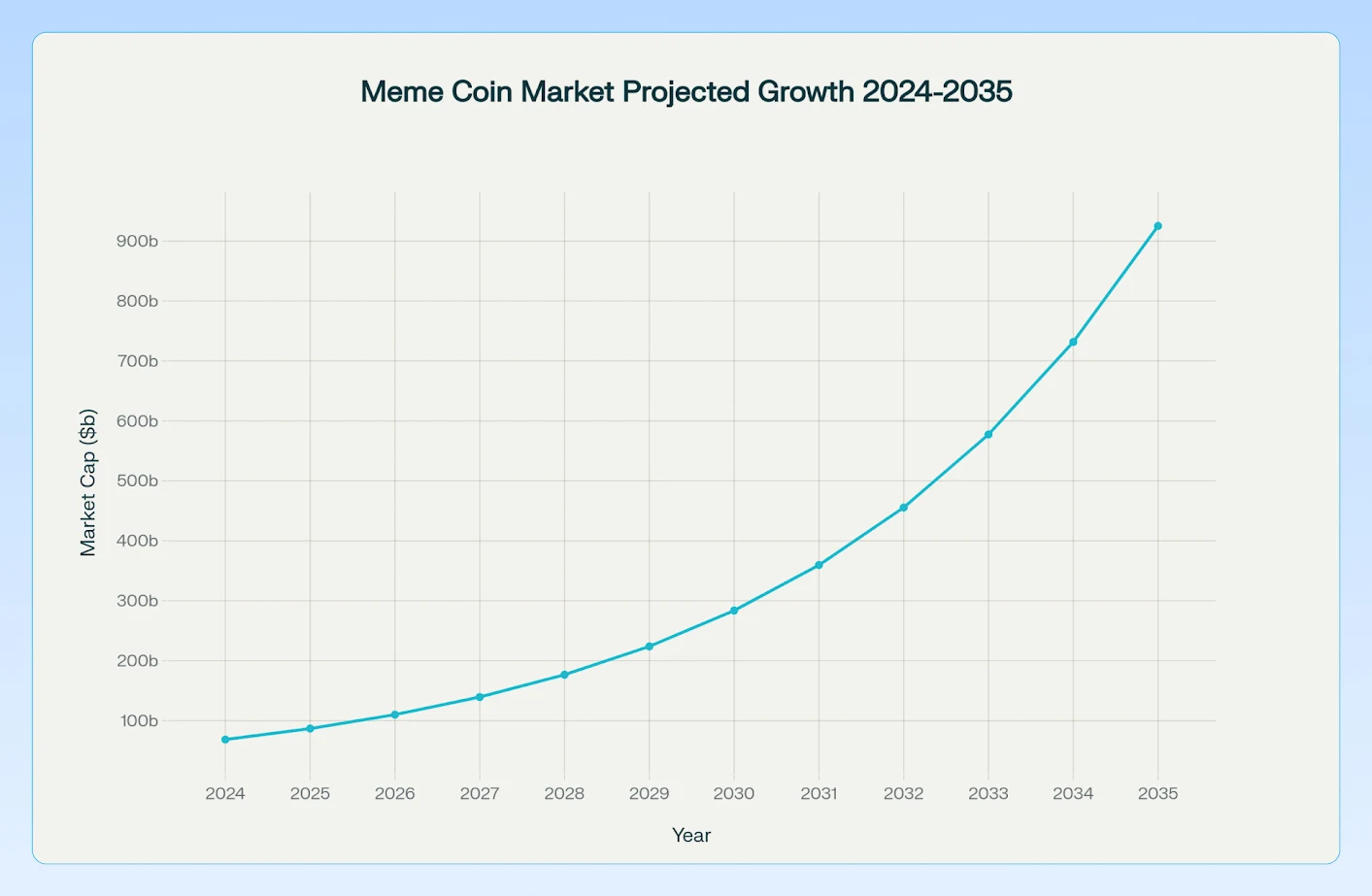
Broader market cap trends across the category tied closely to overall crypto sentiment — Bitcoin rallies tended to lift meme coins alongside everything else, while regulatory scrutiny loomed as a real concern heading into 2026. Communities around individual tokens continued evolving too, with deeper Web3 integration becoming more common as the space matured.
Pros, Risks, and Misconceptions
Real advantages exist for those who understand what they’re getting into. Early buyers on winning tokens have seen genuinely outsized gains — Dogecoin itself rose from fractions of a cent to real peaks over its history. Strong community bonds tend to drive real engagement and adoption, and the low entry cost of most meme coins — often fractions of a cent per token — appeals to newcomers looking to participate without significant capital. A handful of projects, like Shiba Inu with its broader ecosystem, have added genuine utility beyond pure speculation.
Real risks dominate this category more than most others in crypto, though. Volatility can crush a portfolio quickly, with prices capable of dropping 90% or more in a short window. Scams remain common — rug pulls, where developers abandon a project and drain liquidity, happen regularly enough to warrant real caution. Most meme coins carry no underlying fundamentals to fall back on, and market manipulation by large holders, often called whales, can drive outsized price swings that have little to do with genuine demand.
A few misconceptions are worth clearing up directly. Many assume established meme coins like Dogecoin are somehow “safe” simply because they’re well-known — that’s not accurate; hype can mask real underlying risk regardless of a token’s age or name recognition. Another persistent myth holds that most meme coins eventually “moon.” In reality, most fail entirely or fade into irrelevance, and while evolution toward genuine utility helps a small number of projects, the vast majority stay exactly what they started as: jokes with a price attached.
Actionable Insights for Investors
Watching community strength offers a genuinely useful signal — active, engaged groups tend to sustain a token’s value considerably longer than ones built purely on a fleeting hype cycle. Tracking social metrics and volume spikes can help gauge real interest versus manufactured buzz. Diversifying only a small portion of a portfolio into this category — capping exposure around 5% is a reasonable rule of thumb for most investors — helps manage the elevated risk without shutting the door on potential upside entirely.
Researching the team behind a project matters considerably, and generally avoiding tokens with fully anonymous developers reduces exposure to outright scams. Monitoring where new activity is concentrating — Solana-based meme coins in particular moved fast through 2025 — and using tools like CoinGecko to check liquidity before entering a position can help avoid getting stuck unable to exit. Timing entries around dips rather than chasing pumps, staying informed on regulatory developments that could affect the category, and being honest about personal risk tolerance all matter more in this specific corner of crypto than almost anywhere else.
Frequently Asked Questions
What was the first meme coin?
Dogecoin, created by Billy Markus and Jackson Palmer in 2013, is widely considered the first meme coin. It launched as a joke mocking Bitcoin’s growing seriousness and used a Shiba Inu meme as its branding.
How big is the meme coin market?
The sector’s combined market cap peaked at $150.6 billion in late 2024, dropped to roughly $38 billion by mid-2025, and settled around $44 billion afterward, with Dogecoin holding the largest individual share near $22 billion.
Are meme coins safe investments?
No. Meme coins carry significantly higher risk than most other crypto assets — most have no underlying fundamentals, prices can drop 90% or more quickly, and rug pulls remain a genuine and common threat across the category.
Do any meme coins have real utility?
A small number do. Projects like Shiba Inu have built out broader ecosystems including games and NFT integration, and some tokens now tie into DeFi applications. Most meme coins, however, still rely primarily on community hype rather than genuine underlying utility.
Looking Ahead: A Long-Term View
Meme coins evolved considerably from Dogecoin’s original joke into an entire, sprawling ecosystem by 2025. 2026 held real promise for the category as a whole — utility may solidify further for a select few projects, while most others will likely fade the way most meme coins eventually do. Markets continue maturing, DeFi integration keeps growing, and communities keep adapting even as volatility remains a permanent feature of this corner of crypto.
Balancing genuine hype against hard facts matters more here than in almost any other crypto category. Meme coins reflect internet culture as much as they reflect any coherent investment thesis, and that duality is worth keeping in mind before allocating real capital to them.
Will meme coins become genuinely mainstream assets by 2030, or will they remain volatile sideshows on the edge of crypto’s broader story?
References Used for This Article
- The Holy Coins – The Rise of Meme Coins: Doge, Shiba Inu & Catamoto – https://theholycoins.com/news/the-rise-of-meme-coins-from-doge-to-catamoto-and-beyond
- Antier Solutions – 2025 Meme Coin Development: $70M Market Guide for Entrepreneurs – https://www.antiersolutions.com/blogs/2025s-70-million-meme-coin-development-market-uncovered-how-entrepreneurs-can-get-in/
- ResearchGate – Dogecoin Volatility Analysis – https://www.researchgate.net/figure/DogeCoin-volatility-This-graph-shows-the-volatility-of-DogeCoin-over-the-past-year-with_fig5_373443501
This is not financial advice. Crypto is volatile — always do your own research and only invest what you can afford to lose.