Dream Team at the Helm: Selkis and Atkins Join Forces to Make the US the Crypto Capital – XRP’s Big Win?

Dream Team at the Helm: Selkis and Atkins Join Forces to Make the US the Crypto Capital – XRP’s Big Win?
Short answer: David Sacks, the White House’s AI and Crypto Czar, has publicly praised SEC Chair Paul Atkins and Messari CEO Ryan Selkis as a “dream team” driving America’s push toward clearer crypto regulation. Their combined influence — Atkins through formal SEC policy and Selkis through industry advocacy — points toward XRP solidifying its status as a non-security commodity, a shift that could meaningfully accelerate institutional adoption.

The United States stood at a genuine inflection point on crypto policy by late 2025. Sacks’ endorsement of this particular pairing signaled a real shift in how Washington approached digital assets — Atkins leading the SEC with a focus on clear rules, and Selkis bringing years of industry-side data and advocacy through Messari. Crypto markets had spent years craving exactly this kind of regulatory clarity.
Why This Pairing Matters
Crypto regulation had stayed murky for years, leaving investors to navigate real uncertainty around basic questions of asset classification. Sacks specifically called Atkins and Selkis a dream team for the moment. Atkins, confirmed as SEC chair in April 2025, favored clear rules over ad hoc enforcement and worked to narrow the agency’s litigation-first approach. Selkis, as Messari’s CEO, pushed consistently for pro-crypto policy from the industry side, and together the two figures pointed toward more coordinated rulemaking ahead.
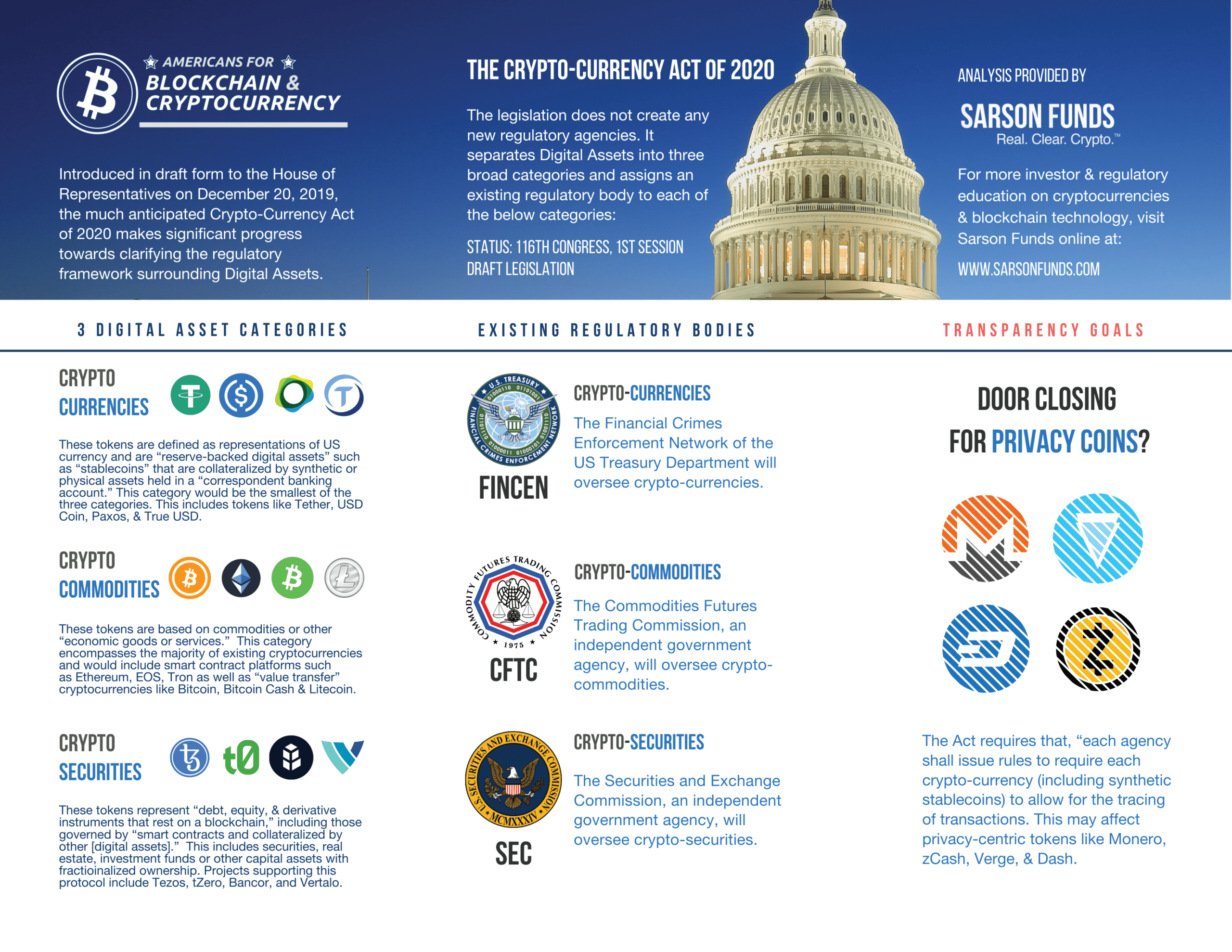
This wasn’t simply hype — it reflected a real structural question. The SEC handles securities, while the CFTC oversees commodities, and XRP has historically straddled that line in public discussion. Prior court rulings had already found XRP to be a non-security in secondary market sales specifically. Continued alignment between regulators and industry voices like Selkis could help cement that classification more broadly across the market.
Key Concepts Explained
What exactly does “non-security commodity” mean in practice? Think of gold as a comparison point — it’s a commodity, traded freely without heavy SEC oversight. XRP functions similarly for payments specifically. Ripple uses it for cross-border transfers that settle fast and cheap compared to traditional banking rails.
Smart contracts, separately, need real-world data to function meaningfully — this is where Chainlink’s oracles come in. They bridge blockchains to external information like weather conditions or stock prices, enabling the kind of altcoin smart contracts that react to real-world events. Without oracles, contracts remain essentially blind to anything happening outside their own ledger.
A simple way to picture it: a vending machine needs input — coins, a selection — to dispense anything useful. Oracles provide that same kind of external input to smart contracts, but safely and verifiably.
Joint rulemaking, meanwhile, means the SEC and CFTC actively coordinate their approach to crypto rather than issuing conflicting guidance. For XRP, this kind of alignment would mean solidifying commodity status specifically under CFTC oversight — a shift that tends to draw institutional investors who’ve been waiting on the sidelines for exactly this kind of clarity.
Current Trends in Crypto Regulation
2025 marked a genuine turning point on this front. Atkins vowed fairness in how the SEC approached digital assets going forward, and disclosed roughly $6 million in personal crypto holdings — a detail that underscored his direct alignment with the industry he now regulates.
XRP ETFs launched during the year and hit $1 billion in cumulative inflows by late 2025 — genuinely data-backed proof of real institutional interest rather than speculative noise. Trading volume rose roughly 22% year-over-year alongside this shift.
Legislative efforts like the Genius Act pushed adoption further, as the U.S. worked to position itself ahead of competing jurisdictions in Europe and Asia. This broader push toward America as a crypto hub tied directly into the Atkins-Selkis dynamic Sacks had highlighted.
Chainlink thrived within this environment too. Its oracle network powers much of DeFi’s infrastructure, and trading volume grew as regulatory clarity improved and real-world data integration expanded across more protocols.

As of December 2025, XRP traded around $1.88, with a market cap exceeding $113 billion.
Pros of This Regulatory Shift
Clarity tends to breed genuine institutional confidence. Institutions typically hesitate to commit capital without clear rules in place, and commodity status for XRP specifically eases that entry considerably. Banks continue adopting Ripple’s underlying technology, and cross-border payments speed up as a result.
Real advantages here include lower transaction costs and faster settlement times, with Chainlink enhancing much of this by feeding reliable data into smart contracts — a benefit that extends to other altcoins like Ethereum as well, not just XRP specifically. Adoption tends to grow steadily rather than overnight, though, and XRP’s use in remittances continues expanding at a measured pace.

Paul Atkins’ leadership at the SEC promises a more balanced approach to oversight going forward, one that industry figures like Selkis have consistently advocated for.
Risks and Common Misconceptions
Real risks persist alongside the optimism. Crypto markets remain genuinely volatile — XRP fell roughly 15% at points during 2025 despite the regulatory progress, and future regulatory changes could still reverse course under different political leadership.
A common misconception holds that all cryptocurrencies automatically become non-securities once one asset wins that classification. That’s not accurate — each asset gets evaluated on its own specific facts. XRP won its case for secondary market sales specifically, but institutional sale structures can still vary and receive different treatment.
Another persistent myth suggests oracles are inherently foolproof. Chainlink does decentralize its oracle network to reduce single points of failure, but the underlying data sources still matter — bad input at the source level can still lead to errors downstream, regardless of how decentralized the delivery mechanism is.
Political shifts remain a real factor too. This entire regulatory dynamic depends considerably on continued administration support — a change in political leadership could meaningfully alter the trajectory Sacks, Atkins, and Selkis have been pushing toward.
Actionable Insights for Investors
Watching pending Senate bills is worthwhile, since legislative movement tends to shape the regulatory backdrop more than any single agency statement. Tracking XRP ETF flows offers a useful real-time signal of institutional adoption too.
Diversifying holdings rather than concentrating entirely in one asset remains sound practice — XRP offers exposure to payments infrastructure specifically, while Chainlink offers a different kind of exposure through the oracle infrastructure that underpins much of DeFi. Research platforms like Messari, which Selkis leads, provide useful data for tracking these trends directly.
Staying informed through official SEC updates and reputable industry commentary — rather than social media speculation alone — tends to produce better-informed decisions over time.
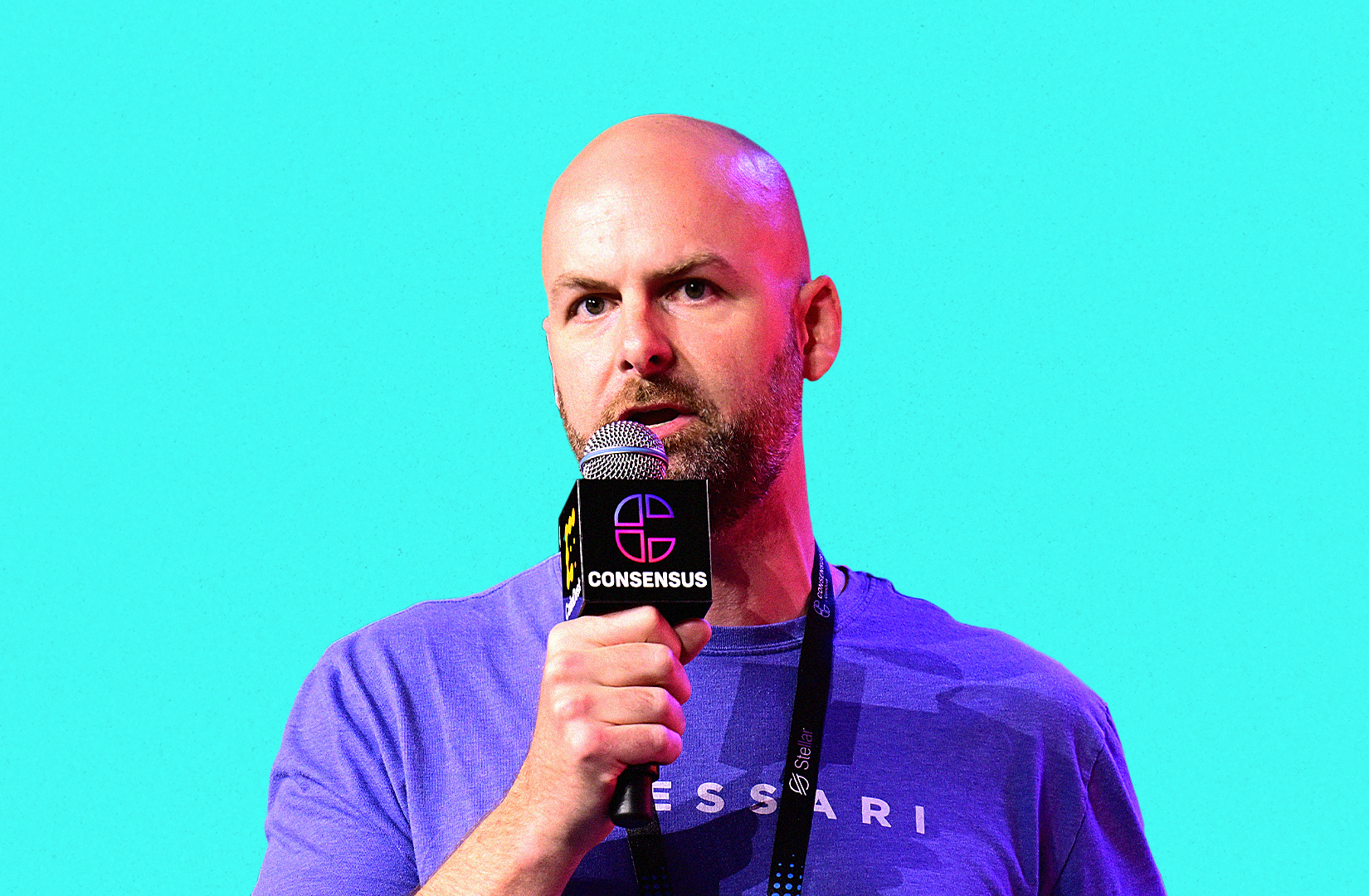
Ryan Selkis’ role at Messari has consistently amplified the broader industry’s voice in Washington, giving policymakers direct access to market data that shapes ongoing regulatory conversations.
Frequently Asked Questions
Who called Atkins and Selkis a “dream team”?
David Sacks, the White House’s AI and Crypto Czar, publicly praised SEC Chair Paul Atkins and Messari CEO Ryan Selkis as a dream team driving America’s push toward clearer crypto regulation.
Is Ryan Selkis the same person as CFTC Chairman Michael Selig?
No. Ryan Selkis is the CEO of Messari, an industry research and data firm, and holds no formal regulatory role. Michael Selig is a separate individual who was confirmed as CFTC chairman in December 2025. The similar names are easy to confuse but refer to different people with different roles.
How much have XRP ETFs attracted in inflows?
XRP ETFs hit $1 billion in cumulative inflows by late 2025, alongside a roughly 22% year-over-year increase in trading volume — both signals of growing institutional interest.
How much crypto did Paul Atkins disclose holding?
Paul Atkins disclosed roughly $6 million in personal crypto holdings, a detail that underscored his direct financial alignment with the industry he now oversees as SEC chair.
A Long-Term Perspective on Crypto’s Future
Crypto regulation continues evolving, and this particular pairing of formal policy leadership and industry advocacy genuinely fosters that growth. XRP stands to gain considerably from continued commodity classification, which would unlock further institutional potential.
Chainlink supports this broader ecosystem too, since oracles make smart contracts practically useful rather than merely theoretical. Patience remains key regardless — markets fluctuate, and focusing on genuine utility tends to serve investors better than chasing every regulatory headline.
Will the U.S. truly become the world’s crypto capital under this particular leadership dynamic? The pieces are genuinely in place, but the outcome still depends on sustained political will.
References Used for This Article
- Unchained Crypto – David Sacks as A.I. and Crypto Czar: Why the Industry Was Surprised – https://unchainedcrypto.com/david-sacks-as-a-i-crypto-czar-why-the-industry-was-surprised/
- AlphaPoint – Paul Atkins and the SEC’s New Approach to Crypto – https://alphapoint.com/blog/paul-atkins-sec/
- Yahoo Finance – What the Crypto World Will Be Listening for When Trump’s SEC Pick Testifies – https://finance.yahoo.com/news/what-the-crypto-world-will-be-listening-for-when-trumps-sec-pick-testifies-090019650.html
- Morningstar – What New SEC Leadership Could Mean for Crypto and Private Markets – https://www.morningstar.com/markets/what-new-sec-leadership-could-mean-crypto-private-markets-more
- Digital Pound Foundation – Crypto-Friendly Paul Atkins to Take the Helm as SEC Chair – https://digitalpoundfoundation.com/crypto-friendly-paul-atkins-to-take-the-helm-as-sec-chair-under-trumps-administration/
- SEC – Atkins Remarks on the SEC’s Approach to Digital Assets Inside Project Crypto – https://www.sec.gov/newsroom/speeches-statements/atkins-111225-secs-approach-digital-assets-inside-project-crypto
- Nasdaq – Prediction: XRP (Ripple) Will Soar in Price in 2026 – https://www.nasdaq.com/articles/prediction-xrp-ripple-will-soar-price-2026
- CCN – Paul Atkins Closer to Confirmation After Hearing – https://www.ccn.com/news/crypto/paul-atkins-closer-confirmation-hearing/
- DL News – Why Is Ryan Selkis So Angry? Inside the Messari CEO’s Pivot – https://www.dlnews.com/articles/people-culture/why-ryan-selkis-is-so-angry-and-has-pivoted-to-trump/
- Roll Call – Senate Confirms Atkins as SEC Chair – https://rollcall.com/2025/04/09/senate-confirms-atkins-as-sec-chair/
This is not financial advice. Crypto is volatile — always do your own research and only invest what you can afford to lose.
Read More