
Short answer: Blockchain is a decentralized digital ledger that records transactions across a network of computers rather than a single central authority, making records tamper-resistant and removing the need for intermediaries like banks. Bitcoin was the first practical application in 2008, and since then the technology has branched into altcoins like XRP for cross-border payments and Polkadot for connecting separate blockchains — by December 2025, the global crypto market cap sat around $3 trillion, with an estimated 1 billion people worldwide using blockchain wallets, up from just 81 million in 2020.
In an era where data drives decisions and trust is often in short supply, blockchain has emerged as a foundational technology reshaping how transactions, records, and value get handled. Imagine a system where no single entity holds all the power, yet everything still remains secure and transparent — that’s blockchain at its core.
This guide walks through the basics for newcomers, starting from Bitcoin’s origins and extending out to altcoins like XRP. Understanding these fundamentals isn’t just academic — it’s genuinely useful for anyone paying attention to where finance and technology increasingly overlap.
What Is Blockchain?
Blockchain is essentially a decentralized digital ledger that records transactions across a network of computers. Unlike traditional databases controlled by a single central authority, blockchain distributes copies of the ledger to every participant, which makes it genuinely tamper-resistant.
Think of it as a chain of blocks, where each block contains a list of transactions. Once added, a block can’t be altered without changing every subsequent block after it — something that requires the whole network to agree on, which is exactly what makes the system so hard to manipulate. This structure is what gives blockchain its immutability and underlying security.
At its heart, blockchain solves what’s known as the “double-spending” problem — preventing the same digital asset from being spent twice — without needing an intermediary like a bank to verify each transaction.
The Birth of Bitcoin
Bitcoin, introduced in 2008 by the pseudonymous Satoshi Nakamoto, was the first practical use of blockchain technology. It functions as a peer-to-peer electronic cash system, often called “digital gold” given its capped supply of 21 million coins and its resulting store-of-value properties.
Bitcoin’s blockchain relies on a consensus mechanism called Proof of Work. Miners compete to solve complex mathematical puzzles, validating transactions and adding new blocks in the process. Whoever solves the puzzle first receives newly minted bitcoin as a reward, which is what incentivizes the network’s ongoing security. Bitcoin’s price sat near $88,000 in December 2025, reflecting its continued dominance within the broader crypto market.

Consensus Mechanisms: The Backbone of Blockchain Trust
Consensus mechanisms are the protocols that ensure every node in a blockchain network agrees on the ledger’s current state. Without a central authority overseeing things, these mechanisms are what prevent fraud and maintain the system’s overall integrity.
Proof of Work, as used in Bitcoin, requires real computational power to validate blocks. It’s secure, but genuinely energy-intensive — consuming electricity comparable to a small country’s total usage. Proof of Stake offers an alternative, selecting validators based on how many coins they hold and “stake” as collateral instead. Ethereum transitioned to Proof of Stake back in 2022, cutting its energy consumption by roughly 99% in the process. It’s more efficient, though it does raise legitimate concerns about wealth concentration among larger stakeholders.
Other mechanisms, like Delegated Proof of Stake or Proof of Authority, offer their own variations suited to different kinds of networks. Consensus, in all its forms, is ultimately what makes blockchain both decentralized and reliable at the same time.
Smart Contracts: Automating Agreements
Smart contracts are self-executing programs stored directly on a blockchain that automatically enforce agreed-upon terms once certain conditions are met. The concept was coined by Nick Szabo back in the 1990s, but it was Ethereum that genuinely popularized the idea, eliminating the need for a traditional intermediary in many kinds of agreements.
Picture a vending machine: insert money, select an item, and it dispenses automatically without a cashier involved. Smart contracts work in a broadly similar way — code defines the rules upfront, and the blockchain executes them transparently once conditions are satisfied.
In decentralized finance specifically, smart contracts handle lending without a bank in the middle. They’re traceable and irreversible once executed, which cuts real costs — though bugs in the underlying code can lead to real losses too, as several past exploits in the space have demonstrated.

Exploring Altcoins: From XRP to Diverse Use Cases
Altcoins are simply any cryptocurrency besides Bitcoin, and each one tends to address a specific limitation or introduce a new feature that Bitcoin’s own design wasn’t built around.
XRP, created by Ripple Labs, focuses specifically on cross-border payments. Unlike Bitcoin’s mining-based model, XRP uses a consensus protocol where a set of trusted validators agree on transaction validity directly, enabling near-instant settlement at low cost. It was designed with financial institutions in mind, aiming to compete with legacy systems like SWIFT for international transfers. XRP’s price action through late 2025 showed real resilience amid improving regulatory clarity, with market movements reflecting genuine growth in remittance-focused adoption.

Other well-known altcoins include Ethereum, built primarily around smart contract functionality, and stablecoins like USDT, designed specifically for price stability rather than growth or speculation.
Polkadot’s Parachains: Bridging Separate Blockchains
Polkadot takes blockchain interoperability a step further with what it calls a parachain model. Parachains are specialized, independent blockchains connected to Polkadot’s central Relay Chain, allowing for genuinely seamless data and asset transfers between them.
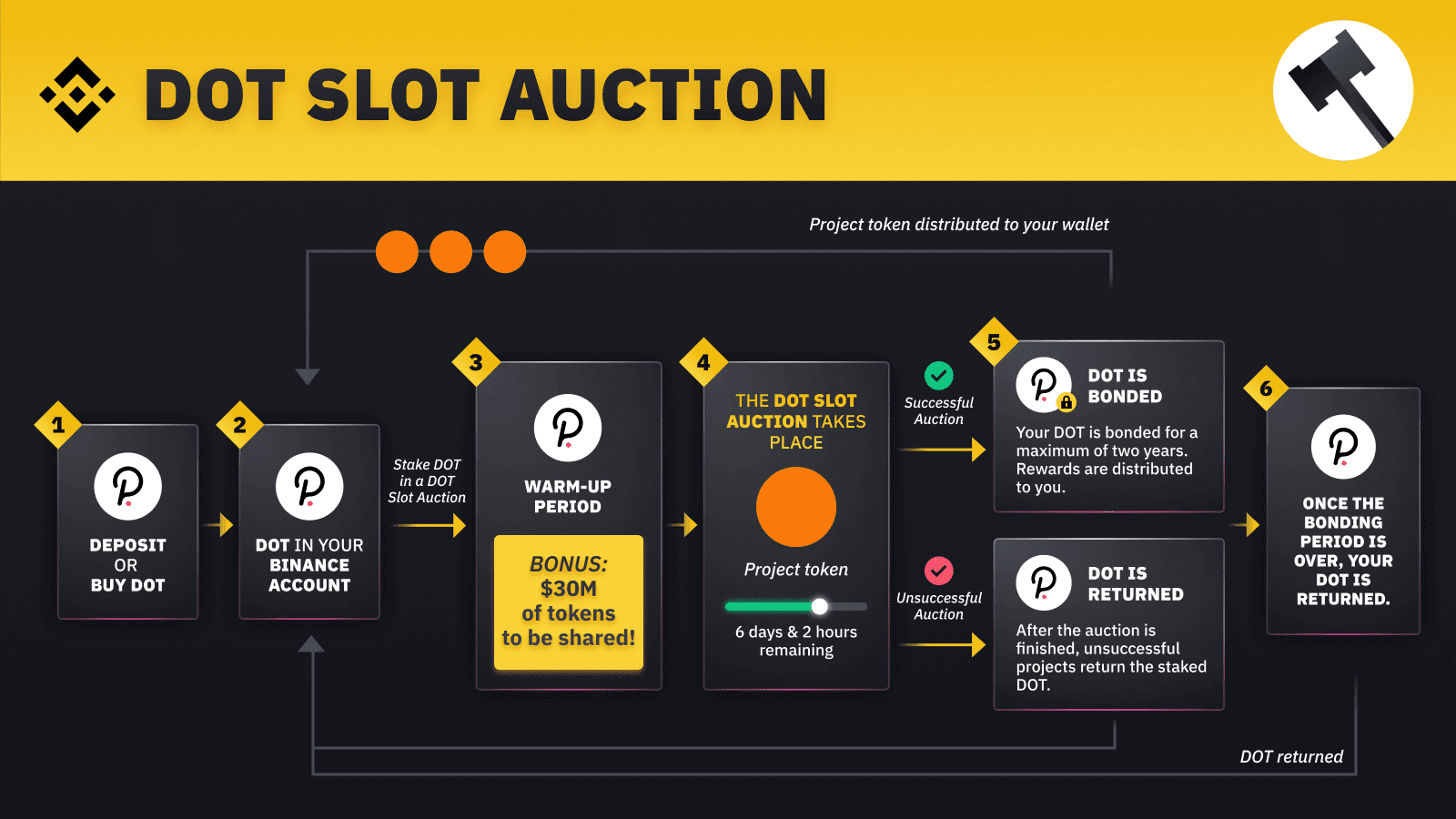
Parachain slots get allocated through auctions, where individual projects bid DOT tokens for a lease. Winners bond tokens as a form of security, and a mechanism called crowdloans lets everyday users contribute their own DOT in exchange for a share of the winning project’s rewards. This system fosters genuine competition and innovation, letting altcoins connect to a broader ecosystem without needing to build every piece of infrastructure from scratch — reduced silos and enhanced scalability, in short, which can meaningfully boost a given project’s value through real network effects.
Current Trends and Real-World Relevance
Blockchain extends well beyond crypto specifically, showing up in supply chain tracking, voting system pilots, and healthcare records management. In fintech, DeFi platforms had grown to manage billions of dollars in assets by this point.
One data point worth highlighting: an estimated 1 billion people worldwide were using blockchain wallets by 2025, up sharply from just 81 million in 2020 — growth driven largely by mobile adoption in emerging markets. Broader trends like Web3 continued emphasizing user-owned data, while regulatory developments, including clearer U.S. guidelines, meaningfully influenced overall market stability.
Pros, Risks, and Common Misconceptions
Blockchain’s genuine advantages include transparency — public ledgers reduce opportunities for fraud — and real efficiency gains from cutting out intermediaries in many kinds of transactions.
Real risks accompany these advantages, though. Price volatility can wipe out investment value overnight, and scalability issues like network congestion remain a persistent challenge for several major chains. Environmental concerns tied to Proof of Work add another layer of legitimate criticism too.
A common misconception holds that blockchain equals full anonymity. In reality, most transactions are pseudonymous but still traceable back through the public ledger. Another persistent myth treats blockchain purely as a get-rich-quick vehicle — its genuine long-term value lies in practical utility, not speculation alone.
Actionable Insights for Newcomers
Starting by educating yourself through reputable sources like CoinDesk or established blockchain research resources gives newcomers a solid foundation before committing any capital. Setting up a secure wallet and experimenting with small transactions first helps build practical familiarity without significant risk.
Watching for trends like layer-2 scaling solutions or growing AI integration within blockchain applications is worthwhile too. Considering diversification into altcoins like XRP for specific use cases makes sense for some investors, but thorough research beforehand remains essential regardless. Tracking metrics through platforms like TradingView helps put price action into broader context.
Frequently Asked Questions
What core problem does blockchain solve?
Blockchain solves the “double-spending” problem — preventing the same digital asset from being spent twice — without requiring a trusted intermediary like a bank to verify each transaction.
How does XRP differ from Bitcoin?
XRP uses a consensus protocol with trusted validators rather than Bitcoin’s energy-intensive mining process. It’s designed specifically for near-instant, low-cost cross-border payments aimed at financial institutions, rather than functioning as a general store of value.
What makes Polkadot’s parachain model different?
Polkadot connects independent, specialized blockchains called parachains to a central Relay Chain, enabling seamless data and asset transfers between them. Projects bid DOT tokens through auctions to secure a parachain slot rather than building standalone infrastructure from scratch.
Is blockchain fully anonymous?
No, this is a common misconception. Most blockchain transactions are pseudonymous rather than fully anonymous — wallet addresses aren’t directly tied to real names, but transaction history remains publicly traceable on the ledger.
A Long-Term View
Blockchain, from Bitcoin’s original inception through altcoins like XRP and interoperability innovations like Polkadot’s parachains, represents a genuine shift toward decentralized systems. Real challenges remain, but its ability to foster trust and efficiency positions it as a cornerstone of finance’s future.
As blockchain continues evolving, how might it eventually reshape your own role within the global economy?
References Used for This Article
- CoinDesk – Bitcoin Price (BTC) Analysis: S&P 500 Takes the Lead in 2025 – https://www.coindesk.com/markets/2025/10/29/nvidia-hits-usd5t-market-cap-as-bitcoin-now-trails-u-s-equities-year-to-date
- Rapid Innovation – Consensus Mechanisms in Blockchain: Proof of Work vs. Proof of Stake and Beyond – https://www.rapidinnovation.io/post/consensus-mechanisms-in-blockchain-proof-of-work-vs-proof-of-stake-and-beyond
- Investopedia – Smart Contracts – https://www.investopedia.com/terms/s/smart-contracts.asp
- Moonbeam Network – How Polkadot Parachain Auctions Work – https://moonbeam.network/news/how-polkadot-parachain-auctions-work/
- Blocktrade – The XRP’s Price Prediction From 2023 to 2030 – https://blocktrade.com/learn/the-xrps-price-prediction-from-2022-to-2030/
This is not financial advice. Crypto is volatile — always do your own research and only invest what you can afford to lose.