As 2025 draws to a close, XRP has navigated a turbulent landscape marked by regulatory clarity, institutional inflows, and market pressures.

XRP 2025 Year-End Recap: Price Dips to $1.90, $1B Unlock, and 2026 Bull Scenarios
Short answer: XRP closed out 2025 around $1.90 after touching an all-time high of $3.66 in July, weighed down by year-end selloffs even as $70.2 million flowed in during the final week alone. The story of the year was Ripple’s SEC resolution unlocking institutional interest, offset by a broader crypto pullback into December — setting up a January 1, 2026 token unlock and a range of bullish 2026 price forecasts that this recap breaks down.
XRP’s story in 2025 captures the intersection of technology and regulation about as well as any asset in crypto. After years of legal battles, Ripple’s resolution with the SEC opened real doors for broader institutional use. Meanwhile, the pending $1 billion XRP unlock added another layer for investors to weigh heading into the new year.
What Is XRP? A Plain-English Breakdown
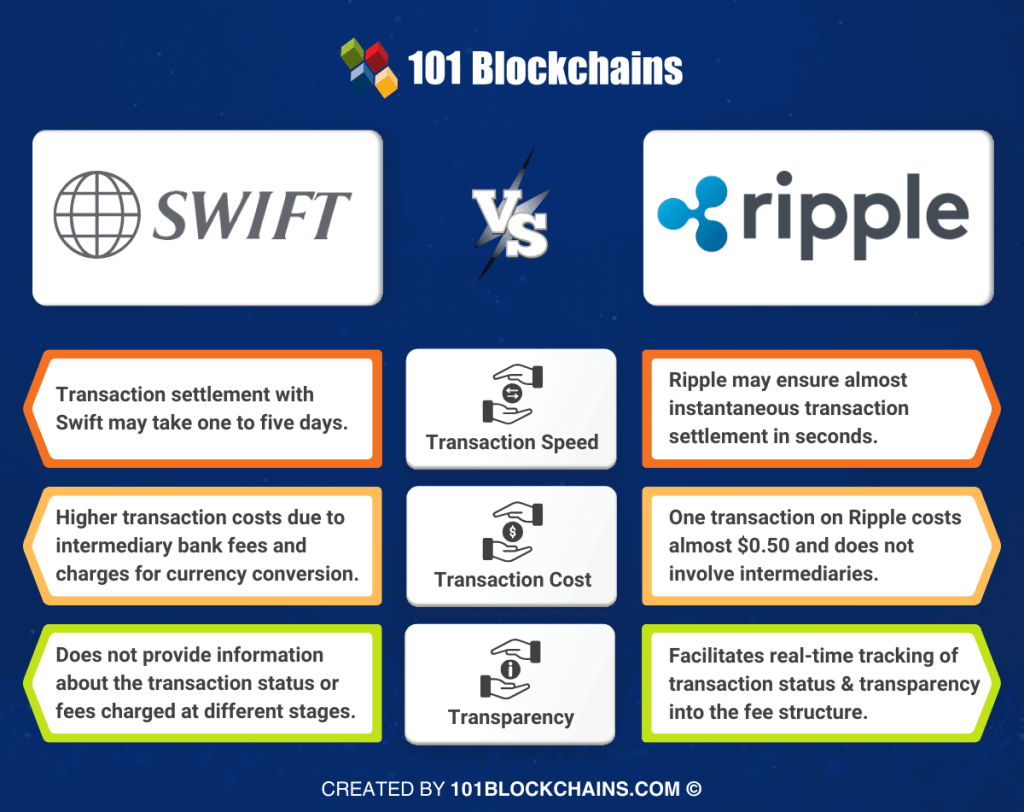
XRP is a digital asset built to enable fast, low-cost cross-border transactions. Created by Ripple Labs in 2012, it runs on the XRP Ledger, an open-source blockchain that settles payments in seconds — far quicker than traditional systems like SWIFT, which can take days for the same transfer.
Think of XRP as the oil in a global payment engine. Banks and financial institutions use it as a bridge currency to convert one fiat currency into another without holding funded accounts in every country they operate in. Sending dollars from the U.S. to euros in Europe traditionally involves multiple intermediaries and fees; XRP streamlines that process by acting as an efficient intermediary itself.
Ripple, the company behind XRP, focuses heavily on enterprise solutions. Its On-Demand Liquidity (ODL) service uses XRP for real-time settlements, cutting the need for pre-funded accounts sitting idle across multiple currencies. This isn’t just theory — major players like Santander and American Express have integrated Ripple’s technology into their remittance operations.
Unlike Bitcoin, which emphasizes decentralization as a store of value, XRP prioritizes utility in payments specifically. Its total supply is capped at 100 billion tokens, with a portion held in escrow by Ripple to prevent flooding the market all at once. That controlled release mechanism aims to maintain price stability, though it has also sparked ongoing debates about centralization.
XRP’s Turbulent 2025: From Highs to Year-End Dips
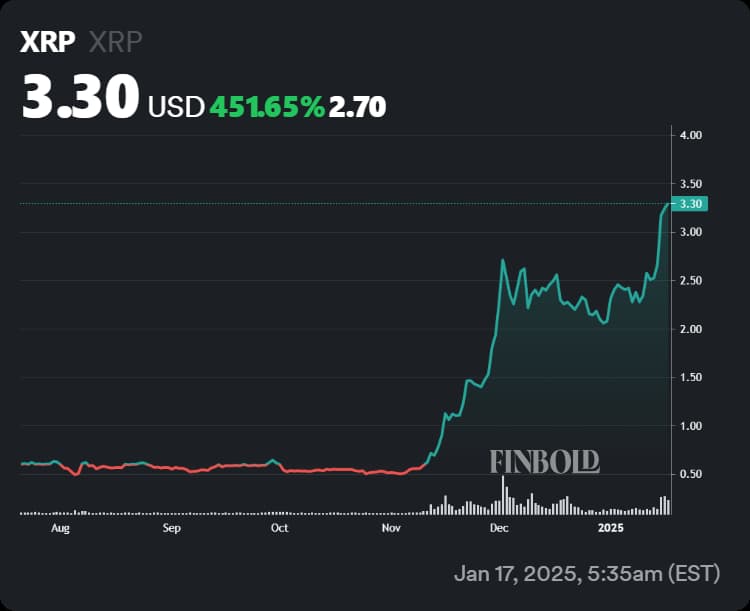
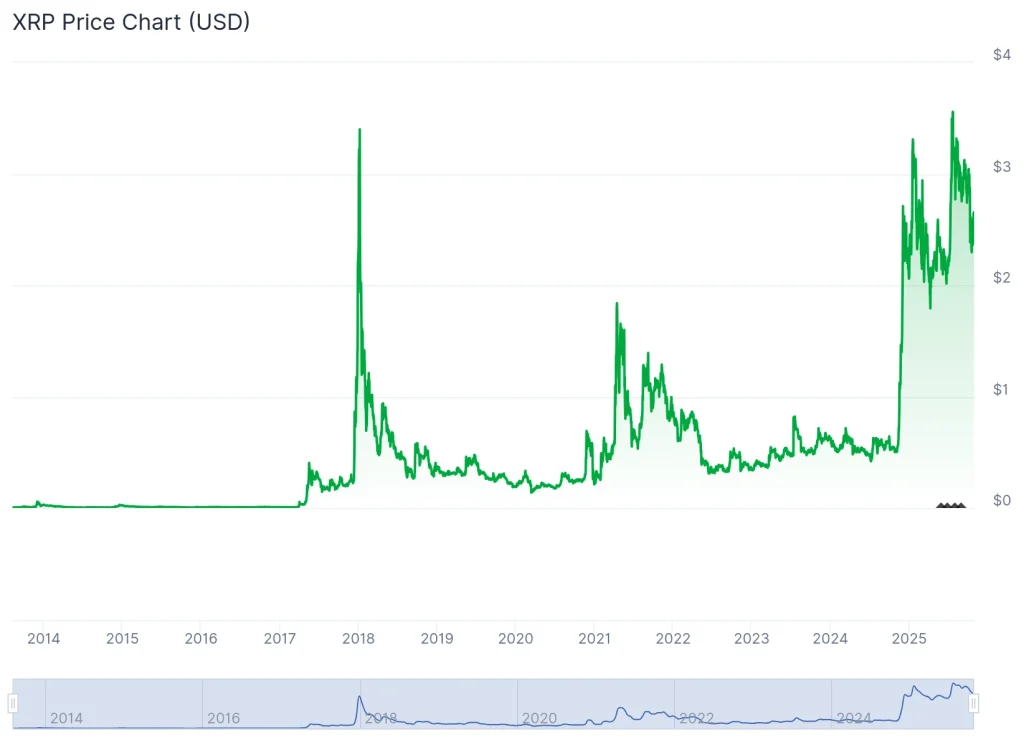
2025 proved genuinely volatile for XRP, mirroring the broader crypto market’s ups and downs. The year started with optimism following the SEC lawsuit’s resolution in August, where Ripple agreed to a $125 million fine and dismissed its remaining appeals. That legal resolution removed a major overhang, letting XRP rally to an all-time high of $3.66 in July.
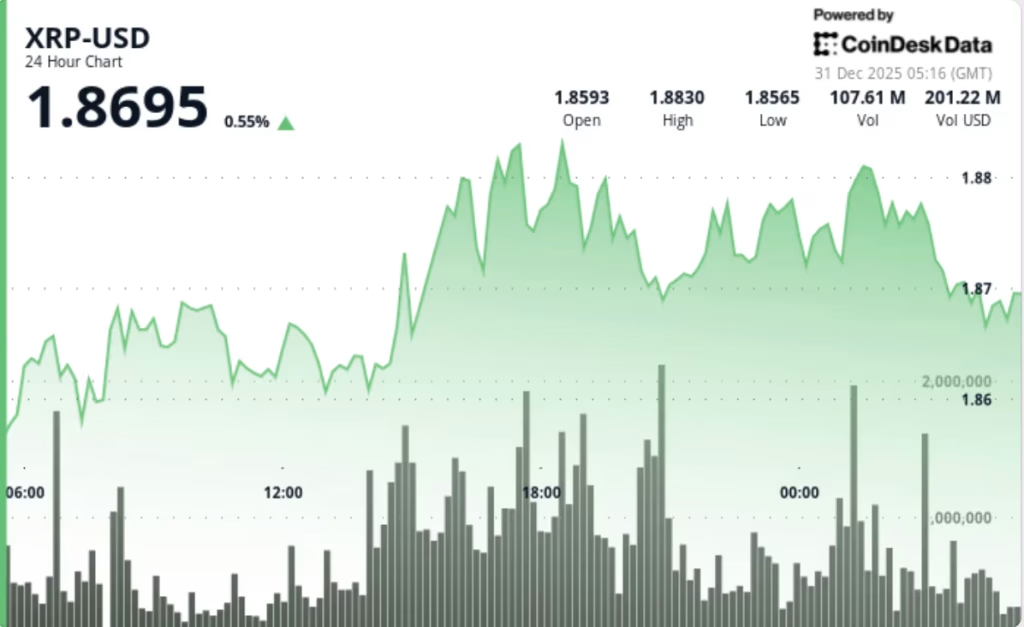
Momentum faded from there, though. By December, XRP traded around $1.87, down nearly 20% year-to-date, and year-end selloffs pushed it further to around $1.90 — influenced by broader outflows across Bitcoin and Ethereum, even as XRP itself saw $70.2 million in inflows during the final week alone. Trading volume averaged $1.73 billion daily early in the year, up 22% from 2024.
Real adoption highlights stood out amid the volatility: Ripple’s ODL processed over $1.3 billion in Q2, and banks and fintechs increasingly turned to XRP for efficiency, particularly across Asia and Latin America. Still, regulatory clarity didn’t fully shield the token from broader market sentiment — charts showed a death cross by year-end, a bearish technical signal not seen since 2021.
Overall, 2025 blended real progress with real setbacks, setting the foundation for whatever comes next.
The $1 Billion XRP Unlock and Its Implications
Ripple’s escrow system releases 1 billion XRP monthly, but the January 1, 2026 unlock — valued at roughly $1.9 billion at the time — drew particular attention given its timing right at the start of the year. Historically, Ripple has re-locked 60-80% of these tokens each cycle, which meaningfully mitigates sell pressure compared to a full release.
This wasn’t a new or unusual event — it’s part of a 55-month escrow schedule running through 2027. Similar unlocks throughout 2025 didn’t crash prices, thanks largely to post-SEC clarity and steady institutional demand absorbing the new supply. Many analysts called it a “non-event” heading into January, though it still had potential to influence short-term sentiment if broader market conditions turned cautious.
For long-term holders, the consistent re-locking pattern underscores Ripple’s commitment to controlled supply. If the January unlock followed the usual pattern, it would actually signal confidence in XRP’s underlying utility rather than concern about it.
Trends in XRP Adoption for Cross-Border Payments
Cross-border payments are evolving quickly, and XRP has positioned itself near the front of that shift. The market itself is projected to hit $290 trillion by 2030, with blockchain-based solutions like Ripple’s gaining real ground within it.
Through 2025, more banks adopted XRP for remittances specifically. Firms like MoneyGram and new European partnerships highlighted its core advantage — transactions settling in 3-5 seconds versus days for traditional SWIFT transfers. Ripple’s network expanded accordingly, processing billions in cumulative volume across the year.
One notable data point: XRP ETFs saw $64 million in inflows during the final week of 2025 alone, outpacing similar inflows into both Bitcoin and Ethereum products during that same window — a clear reflection of growing institutional trust following the legal resolution.
Bull Scenarios Heading Into 2026
Looking toward 2026, forecasts for XRP varied widely, but bullish cases dominated the conversation. Standard Chartered projected $8 by year-end — a roughly 330% surge — fueled by expected ETF inflows of $4-8 billion and continued regulatory tailwinds.
Other analysts floated a $5-15 range, driven largely by adoption metrics. If the XRP Ledger ends up handling $10-20 billion in annual payment volume, demand for XRP itself as a bridge asset could spike meaningfully beyond current levels.
Technically, breaking above $2.00 resistance was seen as a potential trigger toward the $2.50-2.70 range early in 2026, with one more aggressive scenario envisioning a “measured move” toward $15 or higher. These remain projections rather than guarantees, though — ETF launch timing and broader macroeconomic shifts would end up playing a major role in whichever scenario actually unfolded.
Risks, Pros, and Busting Misconceptions
XRP’s core strength lies in its speed and cost-efficiency, which makes it a genuinely strong fit for cross-border payments specifically. Its pros include proven enterprise adoption and a fixed total supply, which limits inflation risk compared to uncapped tokens.
Real risks persist too. Centralization concerns linger since Ripple holds a significant XRP supply, even though the escrow mechanism does mitigate the worst of that concern. Market volatility remains a fact of life, as 2025’s roughly 20% drawdown made clear. Regulatory shifts could still hinder growth in unexpected ways, and competition from stablecoins and CBDCs is a real long-term threat to XRP’s core payments use case.
A common misconception is that XRP’s fate is entirely tied to Ripple’s corporate success. While the two are closely linked, the XRP Ledger itself is decentralized and usable by anyone, independent of Ripple. Another persistent myth: that token unlocks always crash prices. Historically, they haven’t — a large share typically gets re-escrowed rather than sold, which limits the actual market impact.
What to Watch Going Forward
For investors tracking this, ETF inflows are worth monitoring closely — sustained billions in cumulative flows could meaningfully propel prices higher over time. Track adoption metrics like ODL volume too, since that’s the clearest signal of genuine payment demand rather than pure speculation.
Consider diversifying rather than concentrating entirely in XRP, and keep an eye on macroeconomic cues — a dovish Federal Reserve tends to boost risk assets broadly, XRP included. Stay informed through reputable sources rather than hype-driven social media, and if looking for entry points, technical support has historically clustered around the $1.60-1.80 range. Ultimately, long-term utility matters more here than short-term price swings.
Frequently Asked Questions
Why did XRP dip to $1.90 at the end of 2025?
Broader crypto market outflows, particularly in Bitcoin and Ethereum, pulled XRP down alongside the rest of the market, even though XRP itself saw net inflows of $70.2 million during that same final week.
Does a large XRP token unlock always crash the price?
Not historically. Ripple has typically re-locked 60-80% of unlocked tokens each cycle rather than releasing the full amount onto the market, which has consistently limited the actual price impact of these monthly events.
How did the Ripple-SEC case actually resolve?
In August 2025, Ripple agreed to a $125 million fine and dismissed its remaining appeals, effectively closing out years of litigation and removing a major legal overhang that had weighed on institutional adoption of XRP.
Is XRP the same thing as Ripple the company?
No. Ripple Labs is the company that created and heavily promotes XRP, but the XRP Ledger itself is a decentralized, open-source blockchain that anyone can use, independent of Ripple’s own corporate fortunes.
A Long-Term Perspective
2025 tested XRP’s resilience in every direction — from a genuine legal victory to a real year-end price dip. Heading into 2026, with the token unlock behind it and a range of bullish scenarios on the table, XRP’s role in global payments looked positioned to keep solidifying. The forecasts pointed toward real upside, but as always in this space, patience mattered more than chasing any single price target.
Will XRP finally bridge the gap to mainstream finance, or will structural challenges keep holding it back?
Top References Used for This Article
- CoinDesk – Bullish Calls of XRP to Jump 300% in 2026 – https://www.coindesk.com/markets/2025/12/31/bullish-calls-of-xrp-to-jump-300-in-2026-do-the-rounds-again-implying-usd8-target
- Crypto Ninjas – XRP Price Prediction – https://www.cryptoninjas.net/news/xrp-price-prediction-will-it-hit-100-by-2026-and-500-by-2030/
- Binance – XRP Price Prediction 2025-2030 – https://www.binance.com/en/price-prediction/xrp
- Finbold – Ripple Will Unlock 1 Billion XRP – https://finbold.com/ripple-will-unlock-1-billion-xrp-tomorrow-2/
- Motley Fool – 3 Reasons to Buy XRP Before February 2026 – https://www.fool.com/investing/2025/12/31/3-reasons-to-buy-xrp-before-february-2026/
- Changelly – XRP Price Prediction – https://changelly.com/blog/ripple-xrp-price-prediction/
- Reuters – SEC Ends Lawsuit Against Ripple – https://www.reuters.com/legal/government/sec-ends-lawsuit-against-ripple-company-pay-125-million-fine-2025-08-08/
- OneSafe – XRP and the Evolution of Cross-Border Payments – https://www.onesafe.io/blog/xrp-evolution-cross-border-payments
- The Street – Standard Chartered Predicts 330% Price Surge for XRP – https://www.thestreet.com/crypto/markets/standard-chartered-predicts-430-price-surge-for-xrp
- TradingView – XRPUSD Chart – https://www.tradingview.com/symbols/XRPUSD/
This is not financial advice. Crypto is volatile — always do your own research and only invest what you can afford to lose.