Crypto Portfolio Diversification for Beginners in a Bearish Market

Crypto Portfolio Diversification for Beginners in a Bearish Market
Short answer: Crypto portfolio diversification means spreading capital across Bitcoin, Ethereum, stablecoins, and select altcoins rather than concentrating in a single token — an approach that reduces vulnerability to single-coin crashes and historically cushions drawdowns during bear markets like the one that hit crypto in late 2025, when Bitcoin fell over 30% from its October peak above $126,000 to around $89,000.
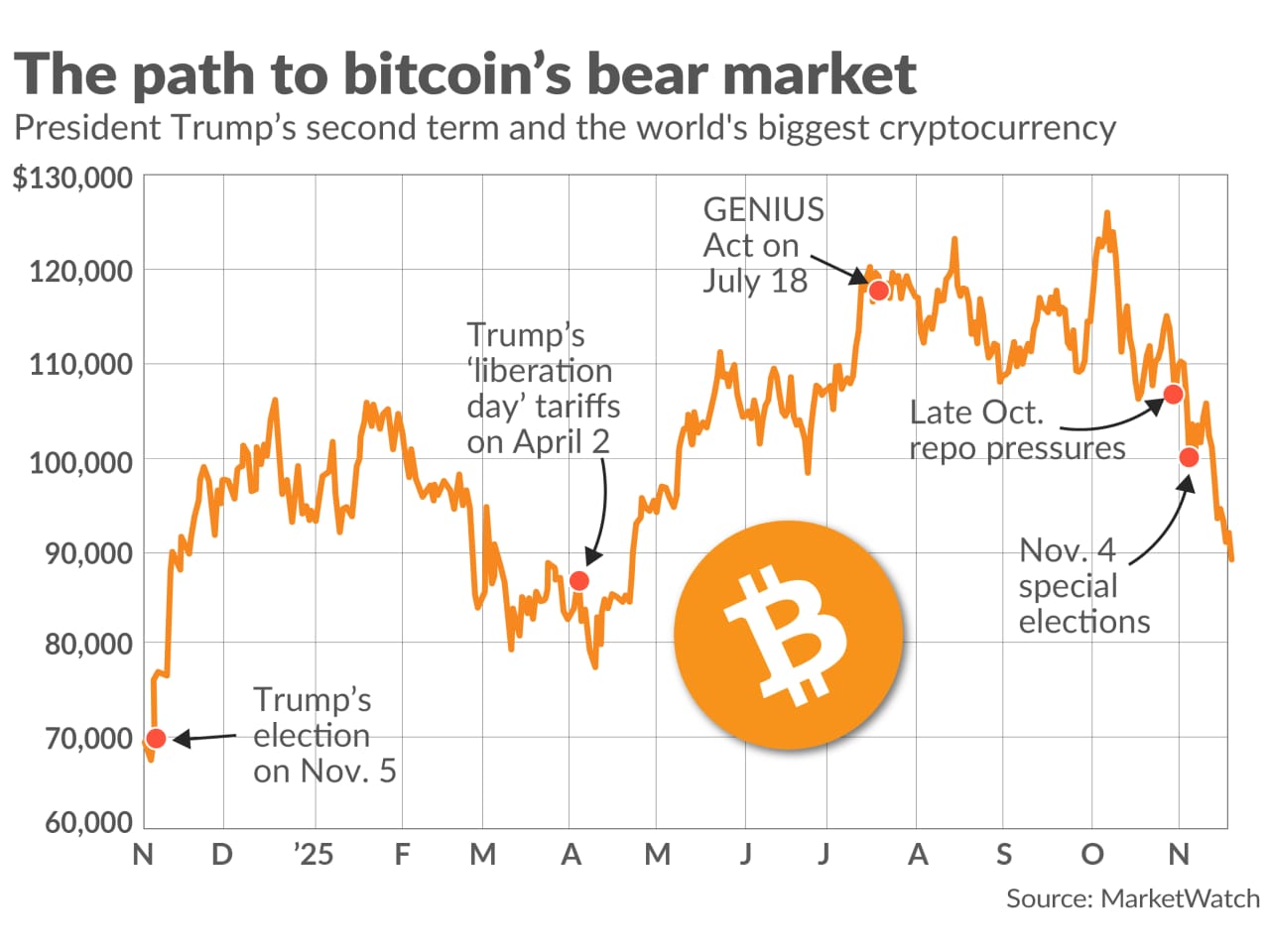
The market entered a genuinely bearish phase in late 2025, and many newcomers hesitated amid falling prices. Yet downturns often present attractive entry points for disciplined investors — the key is not putting all your capital into a single asset while the broader market sorts itself out. Beginners in particular can build real resilience by spreading risk across different types of crypto assets rather than betting everything on one coin’s recovery.
Understanding Crypto Portfolio Diversification
Diversification simply means allocating capital across different assets rather than concentrating in one token. In crypto specifically, that means avoiding the temptation to go all-in on whatever coin happens to be trending.
Core components typically include Bitcoin (BTC), Ethereum (ETH), stablecoins, and select altcoins. Bitcoin functions as something like digital gold and dominates overall market cap. Ethereum enables smart contracts and the broader decentralized application ecosystem built on top of it. Stablecoins like USDT or USDC peg their value to fiat currency, offering real stability when the rest of the market swings. Altcoins target more specific sectors — things like oracle networks or layer-2 scaling solutions — and carry different risk profiles depending on what they’re built for.
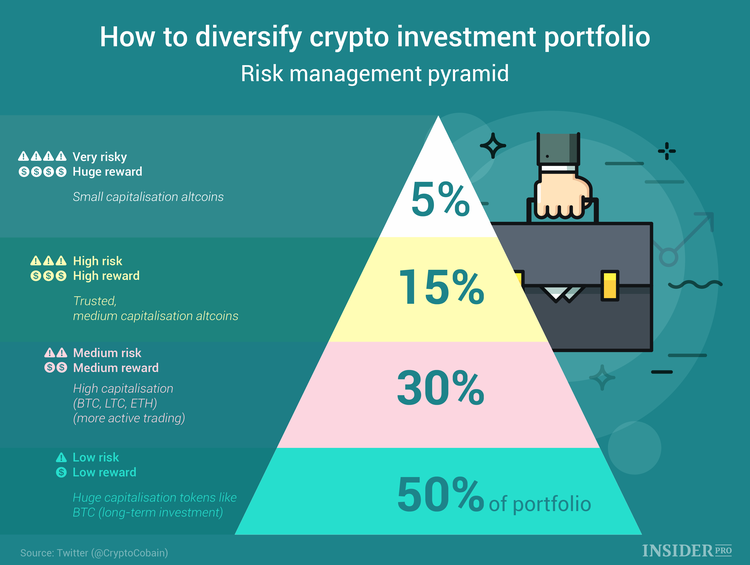
A balanced portfolio functions something like a ship with multiple sails. Heavy reliance on just one sail risks capsizing when a single storm hits, but multiple sails can catch varying winds and keep the ship steadier overall. A reasonably simple starting allocation might look like 40-50% BTC, 20-30% ETH, 20% stablecoins, and 10-20% in select altcoins — though the exact mix should reflect individual risk tolerance rather than a rigid formula.
This kind of approach helps mitigate sharp portfolio-wide drops, since stablecoins provide cash-like reserves precisely when volatility spikes elsewhere.
Bear Market Trends and Relevance
By December 2025, crypto faced a confirmed bear market. Bitcoin had dropped over 30% from its all-time high, with analysts citing ETF outflows, reduced demand growth, and broader macroeconomic pressure as key drivers.
CryptoQuant reported Bitcoin demand falling below long-term trend lines starting in October, and U.S. spot Bitcoin ETFs turned net sellers during the fourth quarter, shedding roughly 24,000 BTC in the process.
Diversification proved genuinely valuable in this specific environment. Historical data on diversified crypto portfolios tends to show meaningfully reduced maximum drawdowns compared to single-asset holdings, largely because Bitcoin and Ethereum often diverge in performance during bear markets rather than moving in perfect lockstep.

Benefits, Risks, and Common Misconceptions
Diversification genuinely lowers portfolio-wide volatility while still capturing upside from multiple sectors at once. One data-backed insight worth noting: Chainlink secured over $100 billion in value across its integrations during 2025, holding roughly 63-69% of the broader oracle market — a real illustration of how utility-driven altcoins can play a meaningful role in a diversified portfolio beyond pure store-of-value assets like Bitcoin.
Real risks persist regardless of how well-diversified a portfolio looks on paper. Crypto assets tend to correlate more heavily during severe downturns specifically — when panic sets in, most tokens fall together regardless of their underlying fundamentals. Over-diversification carries its own risk too, since spreading capital too thin across too many assets can dilute meaningful returns without meaningfully reducing risk further.
A common misconception holds that diversification eliminates risk entirely. It doesn’t — it reduces risk, but never removes it completely. Another persistent myth suggests all altcoins diversify a portfolio equally well; in reality, many altcoins simply mimic Bitcoin’s price movements closely, offering little genuine diversification benefit despite technically being a “different” asset.

Chainlink’s Oracles and Real-World Data
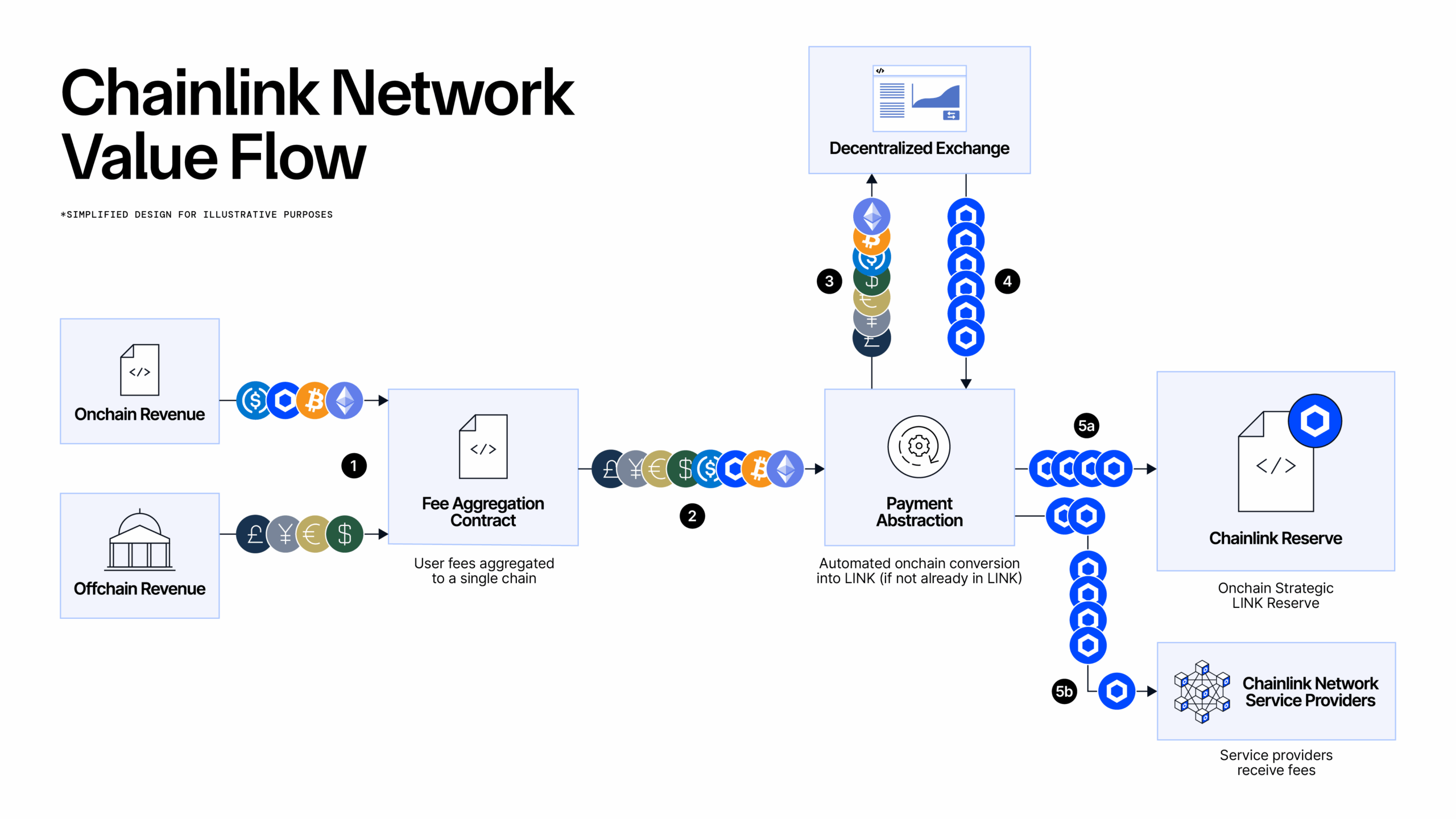
Altcoins with genuine real-world connectivity tend to hold up better across market cycles, and Chainlink excels specifically in this regard. Its decentralized oracle network feeds off-chain data to blockchains, giving smart contracts access to external inputs — prices, events, real-world conditions — without compromising the underlying system’s security.
Decentralized nodes help prevent the single-point failures that could otherwise undermine this kind of data feed. That reliability powers a meaningful share of DeFi lending, derivatives, and insurance products currently operating on-chain. Chainlink continued to dominate the oracle space, expanding its integrations through 2025, including new cross-chain capabilities that extended its reach further.
Including an asset like Chainlink in a portfolio adds genuine utility-driven exposure, diversifying beyond purely store-of-value assets like Bitcoin toward infrastructure that underpins much of the broader crypto ecosystem.
Actionable Insights for a Bear Market
Starting small and assessing genuine risk tolerance first matters more in a bear market than in a rising one — the assets you can comfortably hold through a 30% drawdown differ meaningfully from what feels fine during a bull run.
Monitoring a few key metrics helps too: Bitcoin dominance, ETF flows, and general on-chain activity all offer useful signals about where market sentiment is heading. A few practical risk management steps worth considering:
- Use dollar-cost averaging — buying fixed amounts on a regular schedule rather than trying to time the exact bottom
- Rebalance periodically — trimming winners and adding to laggards to maintain your target allocation
- Hold a meaningful stablecoin position — 20-30% is a common range — for liquidity and flexibility during volatility
- Research altcoins thoroughly before adding them, and favor those with proven real-world utility over pure speculation
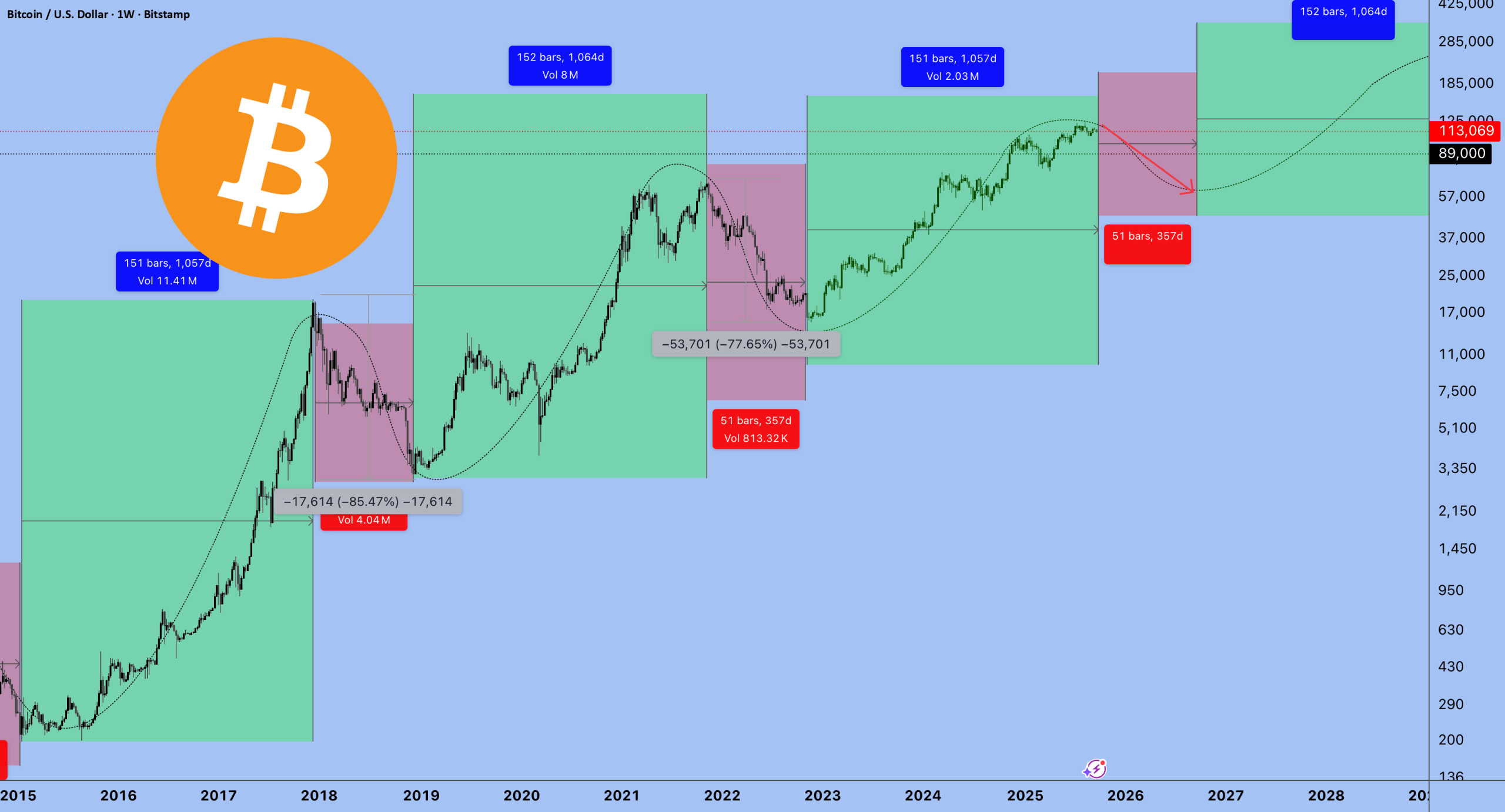
At the time, analysts were watching Bitcoin support levels around $80,000-$85,000 as a potential floor. Charting tools can help track allocations and price action over time, but the broader point holds regardless of exact levels: diversification is something that builds gradually, not a one-time decision made in a single afternoon.
Frequently Asked Questions
What’s a reasonable starting allocation for a beginner?
A common starting point is roughly 40-50% Bitcoin, 20-30% Ethereum, 20% stablecoins, and 10-20% in select altcoins with proven utility — though the exact mix should reflect your own risk tolerance rather than a fixed formula.
Does diversification eliminate risk entirely?
No. Diversification reduces risk but never removes it completely. Crypto assets tend to correlate more heavily during severe downturns, meaning even a well-diversified portfolio can still see broad declines during a genuine market panic.
How far did Bitcoin fall during the late 2025 bear market?
Bitcoin fell over 30% from its October 2025 peak above $126,000, dropping to around $89,000, driven by ETF outflows, reduced demand growth, and macroeconomic pressure.
Do all altcoins diversify a crypto portfolio equally well?
No. Many altcoins closely mimic Bitcoin’s price movements and offer little genuine diversification benefit. Assets with distinct utility — like oracle networks such as Chainlink — tend to provide more meaningful diversification than tokens that simply track broader market sentiment.
A Long-Term Perspective
Bear markets genuinely test conviction, but they also tend to reward patience over time. Crypto has historically moved in cycles, with recoveries following downturns and often landing stronger than the prior peak — though past patterns are never a guarantee of future performance.
Diversification positions a portfolio to participate in upswings while preserving more capital during declines. Focusing on underlying fundamentals matters too — continued adoption, growing institutional integration, and expanding real-world utility all tend to matter more over a multi-year horizon than any single week’s price action.
Crypto portfolio diversification remains a genuinely useful framework for beginners navigating bear markets specifically. How would you structure your own portfolio to weather a downturn like this one while still positioning for the next cycle?
References Used for This Article
- MarketWatch – Bitcoin’s Bear Market Is Dragging the Crypto Below $90,000 – https://www.marketwatch.com/story/bitcoins-bear-market-is-dragging-the-crypto-below-90-000-follow-its-price-since-president-trumps-election-37743369
- iHodl – Chart of the Day: How to Diversify a Crypto Investment Portfolio – https://ihodl.com/infographics/2018-07-17/chart-day-how-diversify-crypto-investment-portfolio/
- VanEck – Bitcoin vs. Ethereum in 2025: Comparison & Outlook – https://www.vaneck.com/us/en/blogs/digital-assets/bitcoin-vs-ethereum/
- TradingView – Bitcoin Price News: CryptoQuant Confirms Bear Market – https://www.tradingview.com/news/coinpedia:c6e4cc2da094b:0-bitcoin-price-news-cryptoquant-confirms-bear-market-eyes-70000-support/
- Chainlink Blog – What Is Chainlink? A Beginner’s Guide – https://blog.chain.link/what-is-chainlink/
- TradingView – Bear Market Has Started for BTCUSD – https://www.tradingview.com/chart/BTCUSD/GPhSUqRi-Bear-market-has-started/
This is not financial advice. Crypto is volatile — always do your own research and only invest what you can afford to lose.
Read More